• Home
    • Soap
    • Tallow Balm
    • Gift Card
    • Subscriptions
  • Testimonials
  • Where to Find Us
    • About Us
    • Our Mission
  • Blog
  • Contact
  • Sign In My Account
Menu

The Healthy Porcupine

PO BOX 1042
Concord, NH 03302
Phone Number
The Healthy Porcupine® - Opt Out of the Chemical Lifestyle™

The Healthy Porcupine

  • Home
  • Shop
    • Soap
    • Tallow Balm
    • Gift Card
    • Subscriptions
  • Testimonials
  • Where to Find Us
  • About
    • About Us
    • Our Mission
  • Blog
  • Contact
  • Sign In My Account

A brief history of tallow

September 3, 2022 Tiffany Rinehart

It is no secret that we are big fans of tallow products. I mean, we started a whole business, so it would seem reasonable that we believe in the cleaning and soothing power of tallow. Even though tallow soap isn’t the most common type of soap used today, tallow has been around for quite some time. Tallow has made its mark on history with a wide variety of uses, many of which are still in place today.  

The discovery of tallow soap is claimed to have happened thousands of years ago by the Sumerians. As early as the Bronze Age, a substance made from animal fat (tallow) was used to make soap and candles. In Ancient Greece and Rome, tallow was also used to clean grease from wool and cloth; this activity likely helped spread the popularity of tallow around Europe. 

Tallow also played an essential role in lighting and fuel during these times. It was burned in oil lanterns or torches—often alongside other animal fats like lard or suet—to create light when there wasn’t enough natural sunlight available. The Romans were also fond of cooking with tallow. They’d use fresh cuts such as beef belly strips, sausages, and meatballs and fry them in tallow with added garnishes. 

Tallow became a general cooking oil and made its way into other products like candles. It was used in place of butter or lard in many applications because it was more stable than either of these animal fats. In fact, tallow has such a low melting point that it can be used as an electric heating element without fear of overheating or melting the insulation around it (which would cause sparks).

Tallow is still used today as an industrial lubricant and lubricant for machinery parts; however, most people don’t realize how important this ingredient is to our lives today!

Tallow uses beyond soap have always been vast. It has such a range from cooking to lighting and fuel. For our purposes, we are just interested in tallow as soap, cream, or balm. 

Tallow became a common ingredient in soap.

In the Middle Ages, people began using soap made out of animal fat which was mixed with ashes or lye (sodium hydroxide) to form a paste called “lard” or “tallow.” This mixture became so popular that it eventually replaced olive oil in many recipes due to its cheaper price tag. It was even used to aid skin diseases such as ringworm and scabies in the early days. This use of tallow was developed once people realized it had antibacterial properties that could help prevent infection. 

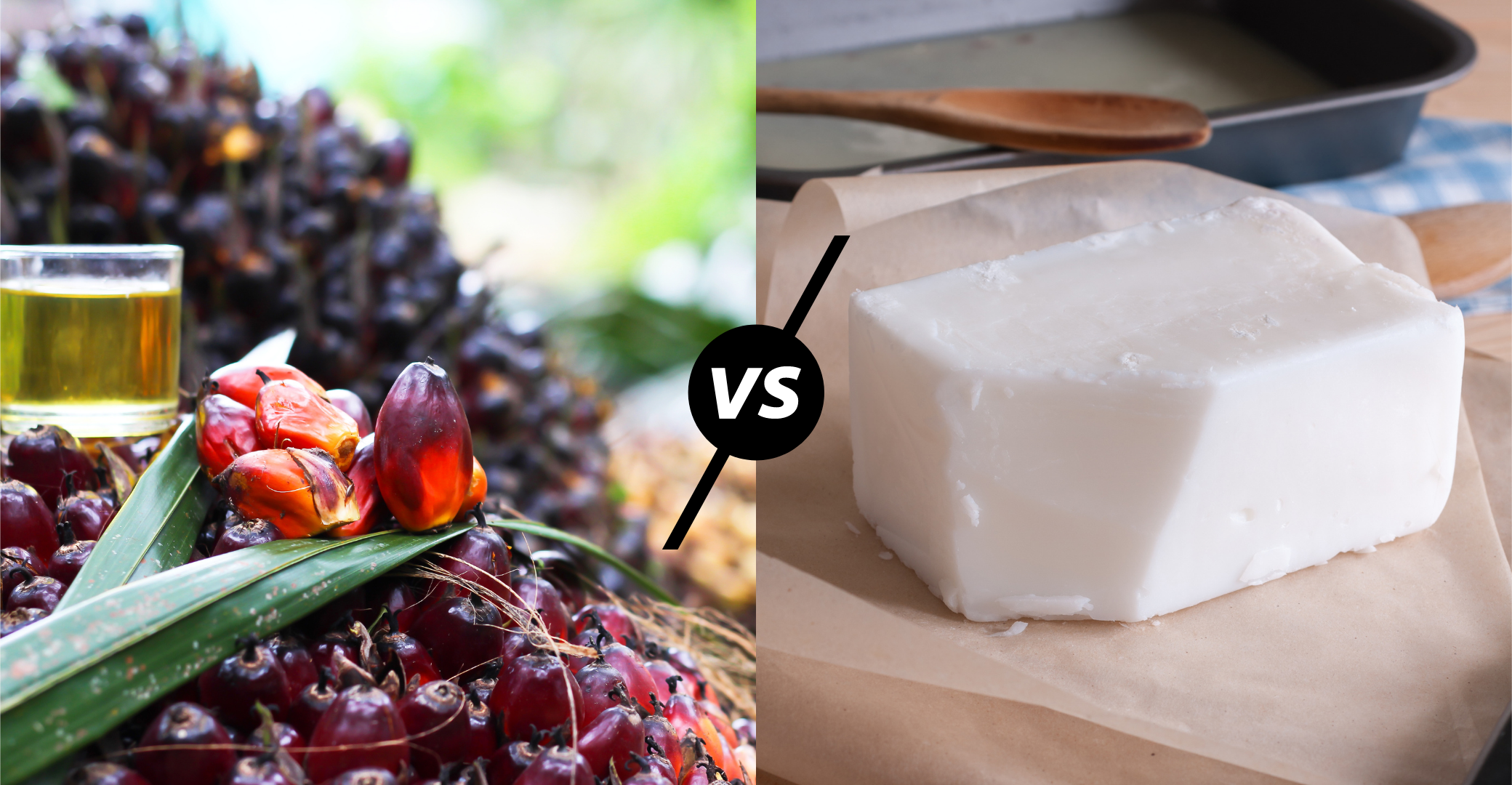
It is much easier today to mass produce soaps made from vegetable oils like palm oil. That is why mainstream soap manufacturers typically use palm oil for their soaps. However, soaps made with palm oil often come with a host of other issues, such as environmental concerns, poor labor conditions, chemical additives, and more. 

Large soap manufacturers prefer to go with a more lucrative soapmaking process which usually leads to less concern for health benefits and compatibility. 

Even though tallow soaps are not typically mass-produced, they are the ideal soap. They provide more vitamins and nutrients to your skin, and when made by small soap makers, you usually don’t have to worry about added unnecessary chemicals.   

Why we use tallow in our soaps 

Tallow is a great option for soapmaking because it’s full of vitamins and nutrients and is an extremely stable base for soap. Tallow has natural antibacterial, antimicrobial and anti-inflammatory properties and similar fat saturation levels to humans - making it easy for our body to absorb all the benefits. 

It helps soothe and smooth skin ailments better than traditional palm oil soaps. Tallow balms contain vitamins A, D, E, K, and B12, which can all be beneficial to your skin health and appearance. Tallow reduces waste in the farm industry by using every part of the animal and doesn’t require harsh chemicals like paraben or phthalate additives.

Overall, tallow is a great ingredient to use in your soap. It has a well-established history in the soap industry and many other industries. If you use quality grass-fed tallow, you can create a quality soap that really cleans skin and helps it look and feel its best. 
Comment

What is Pine Tar, and why do we use it in our soaps?

August 1, 2022 Tiffany Rinehart

If you’ve been following us for some time, then you know we have been making pine tar soap since 2013. It is one of the staples in our tallow balm and soap collection. We often talk about it on our social media and thought it was time for our Pine Tar 20% soap to get the respect it deserves with an entire blog on its creation, benefits, and properties. Pine Tar has been around for thousands of years and can be found across a wide range of skincare products such as soap, lotions, and gels. It is also used in other industries such as woodworking, maritime, veterinary, and medicine. 

How do we make our Pine Tar 20% Tallow Soap? 

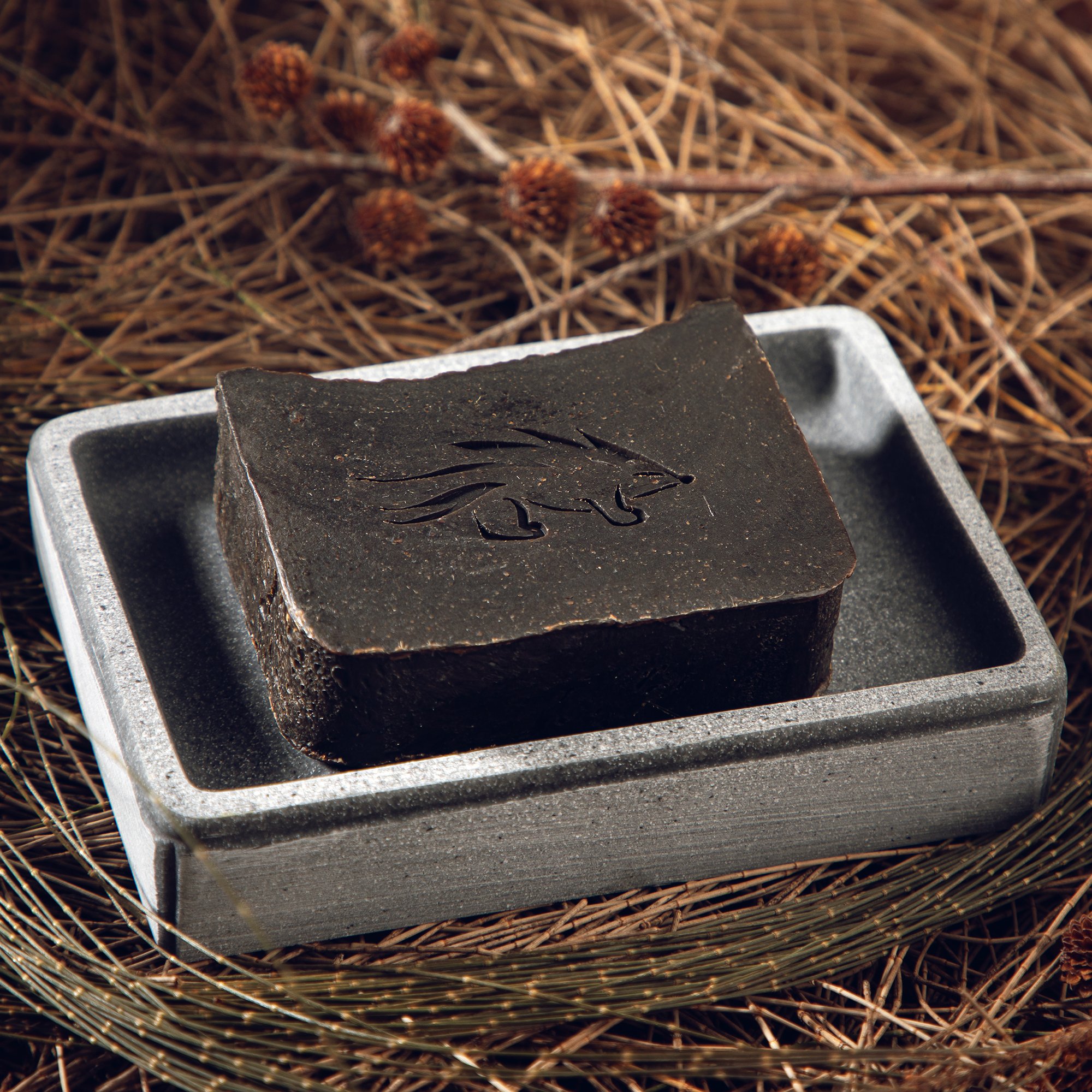
In order to make pine tar tallow soap, we begin by purchasing genuine pine tar. We source our pine tar from a Swedish company called Tjärfärg från Auson. They provide high-quality pine tar that we use for our soaps and balms. Pine tar is the end product of pine wood carbonization following distillation using extreme heat. The pine tar we use in our soaps is made the old-fashioned way. The old-fashioned way to create pine tar is by burning a pine tree stump in a kiln, and the result is known as “genuine peasant-made tar.” Kiln-burned pine tar is usually a dark golden color and contains a high resin content while maintaining a low pitch and high purity content. It is an extremely pure form of pine tar that we mix with other all-natural ingredients to make our soothing soaps.

The process of making our Pine Tar 20% tallow soap isn’t different from any of our other soaps. Once the tallow is almost formed and ready to be set, we mix in the pine tar with our tallow mixture then it is ready to be placed into the mold that shapes the soaps. After we pour our mixture into the mold, we allow the soap to set for one day. Then we cut the soaps into individual bars and let them cure for four weeks. Curing time for the tallow is four weeks is standard practice. 

What are the benefits of pine tar oil in soaps?

Even though pine tar is not an essential oil, it still has a long and impressive list of benefits that should be recognized. The “genuine peasant-made tar” that we use in our soaps is high-quality pine tar that contains benefits such as antifungal, anti-inflammatory, antipruritic, and antibacterial properties. 

It is excellent for relief from long and short-term skin conditions alike. In fact, pine tar has been an extremely valuable resource in the skincare and medicine industry as it can help soothe skin conditions such as dry skin, eczema, dermatitis, psoriasis, hives, and other dry, flaky, or itchy skin conditions. 

How do pine tar soaps smell and feel?

While we can’t speak for all pine tar products, our Pine Tar 20% tallow soap has a strong and bold scent that is often referred to as a woodsy, campfire scent. It may be intense for some, especially if you are unfamiliar with pine tar soaps, but most people really enjoy the smell. We have some customers who may not favor the scent but choose to use the soap for its incredible benefits. It is a very personal decision based on personal preferences, but we know it is in the rotation for us.  

Like all of our other soaps, minus the Coffee! and Pumice soaps which are exfoliators, this soap provides a silky-smooth lather. It is excellent for moisturizing your skin and locking in essential nutrients that help your skin stay moisturized and smooth all day. The pine tar mixed with the tallow is as soothing as a combination you can get. While the tallow is known for keeping your skin smooth, moisturized, and tight, pine tar is also known for similar uses, and both can help soothe common ailments that other soaps simply can’t. 

If you haven’t tried our Pine Tar 20% tallow soap, we recommend picking up a bar today. It is a soap that will have your body’s largest organ, your skin, feeling and looking its best.  

Tags Soapmaking, Soap, Sustainable Soap, Tallow, Tallow Balm, tallow soap, Tallow soapmaking, pine tar, pine tar tallow balm, pine tar tallow soap, pine tar soap
1 Comment

What is white labeling? Our latest partnership with Walden Local Meat.

July 5, 2022 Tiffany Rinehart
walden 01.jpg
walden 04.jpg

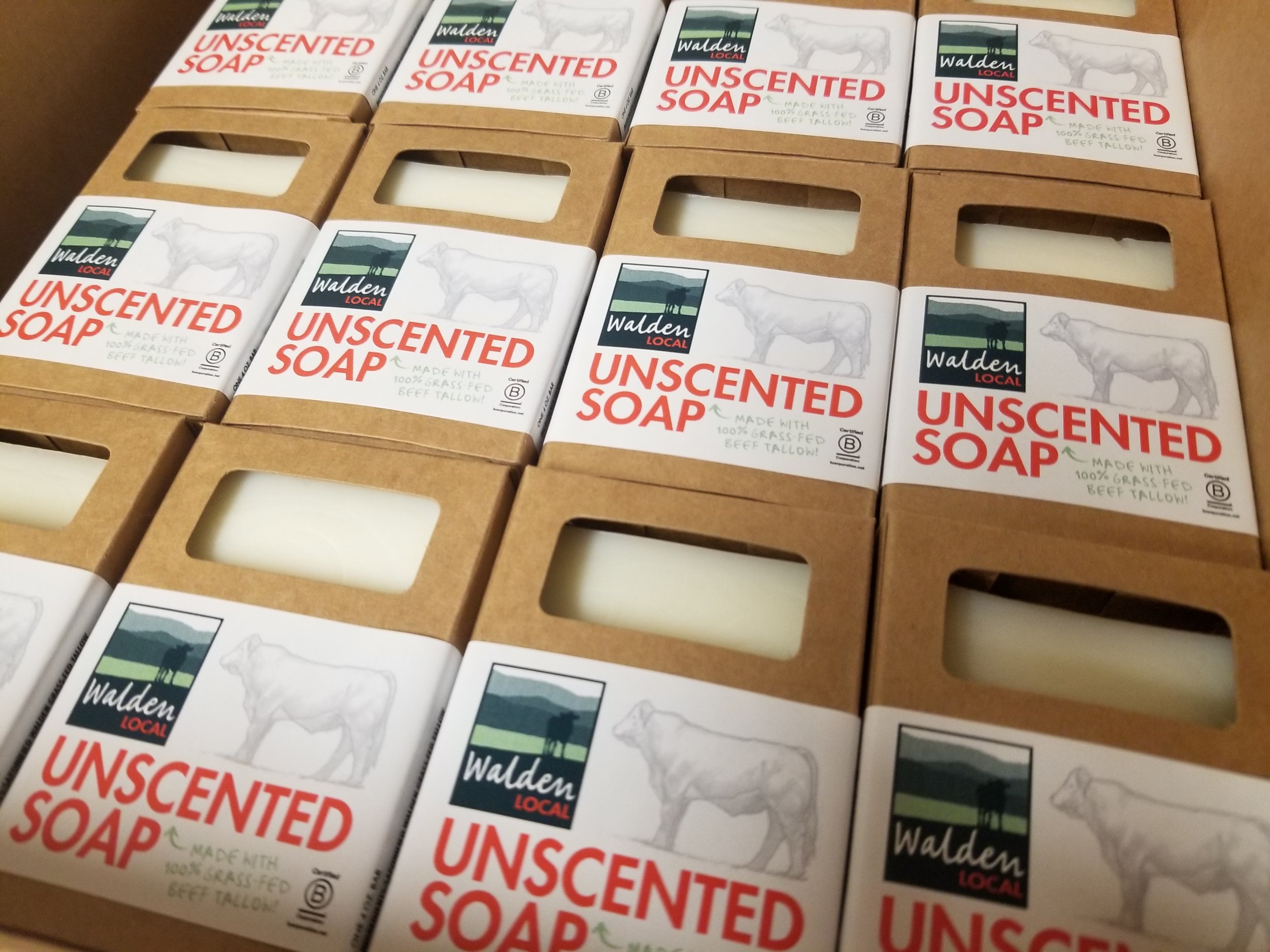
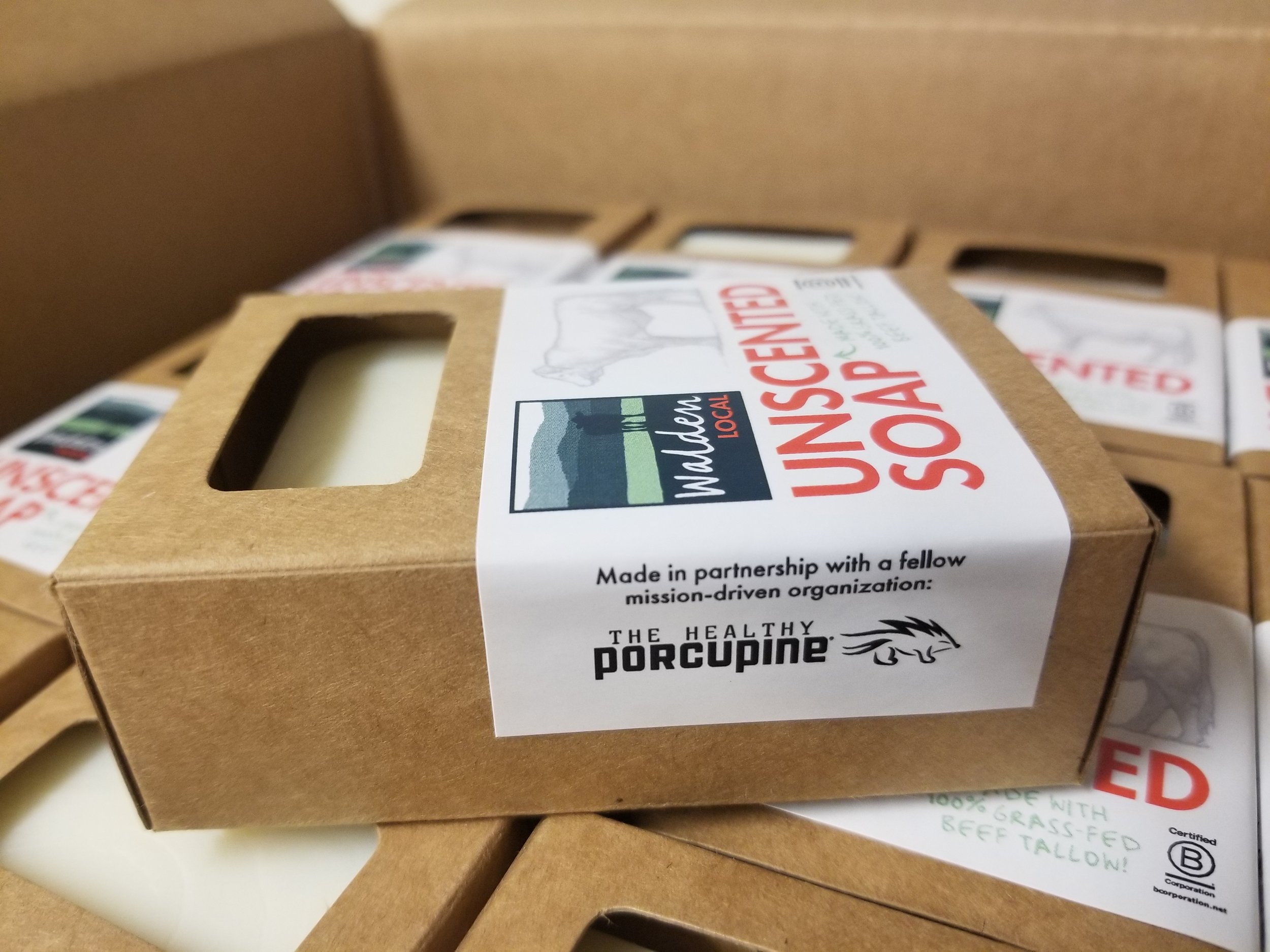
We have been working with Walden Local Meat for quite some time, and we have exclusively purchased our suet from their farms for about a year. Walden Local is an incredible company that focuses on connecting farmers and their quality agricultural products to consumers. They found farmers in the New England and New York area doing everything right to feed and raise animals. They work with these local farmers to get their products packaged and delivered to the community. With nearly ten years of experience in the tallow industry, we really related to their mission and commitment to using and distributing sustainable, local, and nutrient-rich products. In our latest partnership with Walden Local, we are using their tallow to white label soaps and balms for them. Specifically, they will carry Unscented Soap (Healthy Porcupine Pure Tallow Soap) and Unscented Balm. 

What is white labeling? 

White label products are sold by retailers with their own branding and logo, but a third party manufactures them. The labeling will include the retailer's name prominently on the label and not the actual manufacturer, so the end product appears as though it has been produced by the retailer. A perfect example of this is Trader Joe's or Costco. It is no secret that these two grocery chains offer Trader Joe's or Kirkland brand products that other known retailers produce. In fact, according to MoneyWise, the Kirkland Brand coffee is actually made by Starbucks and simply white-labeled to be branded as Kirkland coffee. This is a very common occurrence for big-box retailers. You have likely seen this at your favorite grocery chain. 

What are the benefits of white labeling?

There are many benefits to white labeling and a variety of reasons brands choose to go this route. Having quality products manufactured and labeled can save money on production costs and time. As an established soap brand with the necessary equipment and expertise, it is much easier for us to white label soaps for a brand instead of the brand starting to make soap from scratch. We also maintain quality control standards, so the brand can ensure the products they provide to their customers are of the highest quality. White labeling is also a great tool that allows brands to broaden the range of products they offer and provide more of what their customers need, increasing brand loyalty.

White Labeling vs. Private Labeling

White labeling is the process of selling an existing product through a different channel, usually with a tweak or two in terms of packaging, marketing, and pricing. This can be done so that you can increase your reach, gain exposure to new customers or move from one retailer to another. However, private labeling sells products to one specific brand to allow them sole access to use their branding. In other words, the manufacturer will produce an item specifically for a retailer like Target or Amazon, and the manufacturer is limited to selling that product to that brand exclusively. 

White and private labeling are very common in many industries for goods and services. You can find white labeling and private labeling in clothing, food, electronics, technology, home goods, and more. It allows businesses of any size to diversify their income and product offerings and remain competitive in their industry and with their customers.  

We white label our products for Walden Local and a few other wholesale clients. Whether our soaps are white-labeled or come with your favorite Healthy Porcupine logo, they are still quality, sustainable soaps that we are thrilled to share with the world. #OptOutOfTheChemicalLifestyle

Tags Soapmaking, small business, white labeling, soap, B2B, balm, tallow soap, Tallow Balm
Comment

How can tallow help your skin?

June 6, 2022 Tiffany Rinehart

We get this question all too often. People who have used traditional big brand soaps, usually made with palm oil, may find soaps made from tallow to seem strange. Why would anyone want to use animal fat, beef suet, as a base for a soap? The answer to this question is quite simple. It is beneficial for your skin. However, answering exactly how tallow is beneficial takes a bit more explaining.

Since the beginning of our commitment to a chemical-free (or limited) lifestyle, we have tried to share our knowledge with our customers to ensure you know why this is important to us and how opting out of the chemical lifestyle benefit you. In this case, we use quality tallow produced from grass-fed cattle, which contains vitamins and nutrients that can help us in various ways. In fact, tallow is an incredible ingredient for a variety of products such as soaps, balms, hair products, laundry soap, and more. In this blog, we will highlight the specific ways tallow can help your skin as a soap or a balm. 

1.     Tallow contains antioxidants.

Tallow contains Vitamins A, D, K, and E, all antioxidants. Antioxidants fight free radical damage. Free radicals are molecules in our bodies that become unstable and damage skin cells. Free radicals are caused by environmental stressors like pollution, sun exposure, and other toxins. Damage from free radicals causes our collagen to break down, which results in wrinkles, fine lines, dark spots, and loose skin. Antioxidants help protect your skin from free radical damage, which helps reduce the signs of aging. By combating free radical damage before it happens, you can help your skin look younger and healthier for longer.

2.     Tallow has anti-inflammatory properties.

Tallow contains vitamins E, D, and K, known to possess anti-inflammatory properties. We have all dealt with inflammation and/or irritation on our skin at one point or another. Typical breakouts, sun exposure, certain foods, and redness can cause inflammation. It is crucial to combat inflammation early on because prolonged inflammation and irritation causes damage to your skin. Anti-inflammatory skincare products, such as tallow, help reduce inflammation by blocking enzymes that cause disruption in the skin, helping it maintain a fresh, smooth look by protecting and reinforcing your skin barrier.

3.     Tallow doesn’t clog pores and works with your sebaceous glands.

Vitamin A in tallow helps our sebaceous glands and skin operate at their optimal capacity when used correctly. Vitamin A is known for helping our cells turnover faster, which reduces acne and skin irritation. Given the molecular structure of our skin and the suet used to make tallow, it is naturally more compatible with our skin, allowing it to act as natural sebum, locking in moisture and nutrients without clogging pores. This is a significant factor in what makes tallow ideal for a skincare base.

4.     Tallow has antimicrobial properties.

Antimicrobial products stop the spread of microorganisms such as bacteria, fungi, and viruses. Our skin is exposed to a ton of surfaces each day, and as our largest organ, it can be an ideal place for microorganisms to accumulate and grow. Antimicrobial skincare is a great way to protect our skin from these microorganisms, and it will help the product itself remain free of bacteria.

5.     Vitamins in tallow can help produce collagen. 

Vitamin E is known for its anti-aging properties. It helps stimulates blood flow to our skin, which increases collagen production, and helps prevent signs of aging. By increasing collagen production, you can keep your skin looking smooth and firm for longer.

6.     Tallow helps soothe skin injuries and helps repair damage faster.

Vitamin E is often associated with soothing the skin, reducing redness and irritation, and helping skin aliments subside. This is likely due to Vitamin E’s anti-inflammatory properties and its ability to increase collagen production and stimulate blood flow to our skin. This is great for people who may be suffering from skin irritations, scars, or dry, cracked skin.

All of the vitamins and nutrients in tallow and its compatibility with our skin create a unique skincare base that helps your skin retain moisture, restore and protect itself, and stay firm and moisturized. Our tallow soaps and balms are a sustainable skincare option that is all-natural and beneficial for your skin. Try one today!

Tags Tallow, tallow soap, Tallow soapmaking, Tallow Balm, vitamin, vitamin a, vitamin c, vitamin d, vitamin k, vitamins
4 Comments

How to Make your Tallow Products Last Longer

May 2, 2022 Tiffany Rinehart

What is tallow?

For those of you that have read our previous blogs on tallow or aren’t familiar with tallow in general, pasture-based tallow is made by rendering suet. Beef suet is the fat found around cow’s loins and kidneys. It is rendered by melting the suet over low heat, straining out any solid pieces. Once it is cooled,  it is considered rendered tallow.

Tallow is used for a variety of things, including cooking, beauty, skincare, and more. We specialize in tallow soaps and balms at The Healthy Porcupine because we find them to be a healthy and more sustainable option than traditional palm oil soaps and balms.

How long do tallow soaps last?

One of the benefits of tallow soaps is that a well-made bar can last a long time. We recommend using our soaps and balms within one year. The shelf life of tallow soaps depends primarily on their ingredients. For example, we make our soaps with olive oil which has a much longer shelf life than other oils like grapeseed or palm oil. Similarly, some essential oils (if you’re using a scented soap or balm) may have a one to two-year shelf life depending on the extract. Ultimately, you would want to go by the soap artisan's specific instructions for their product and recommend checking the shelf life of any essential oils used in the soaps or balms your purchase.

How can I make my tallow soap last longer?

How you store your soap plays a huge part in its shelf life. When considering what you can do to make your soaps and balms last longer, we recommend first looking at the conditions in which you store your products. Specifically, it is best to keep your soap in a dry, cool place that is not in direct sunlight. However, many people store their soap and skincare in their bathrooms; this is typically not suggested. Due to the high humidity that comes from your shower, storing soaps and balms that aren’t in use in the bathroom can reduce their overall shelf life. Another important note, unlike tallow used for cooking, soaps made from tallow need to be stored in a place with air circulation to reduce the chances of oxidation. Finally, it would be best to store your soaps and balms in a temperature-controlled area, like your bedroom or a closet, to avoid temperature changes affecting the soap.

Does your new packaging help extend shelf life?

Our new packaging is made out of 100% recyclable materials, and it is a box that will allow the soaps to “breathe” while protecting them. This new packaging will make it much easier for you to store your soaps. Instead of worrying about putting them in a box or a light cloth, you can simply put them on a shelf in a temperature-controlled area. This should keep your Healthy Porcupine soaps good for about one year.

Tips for Stocking Up and Storing Soaps

  1. Store your soaps away from humidity and direct sunlight.

  2. Store your soaps in an area with a regulated temperature.

  3. Don’t store your soaps in an airtight container.

  4. When stacking soaps on a shelf or in a cabinet, leave space between the soaps and other items to allow air circulation.

  5. Make a note of when you received your soaps and mark the recommended use-by date.

  6. Organize your soaps with essential oil to protect the scent and track shelf life.

  7. You can always tell if the soap has gone bad, if it has a rancid smell, or is unusually sticky.

  8. You can still use the soap if it has orange spots (you can cut them out), but we recommend double-checking to confirm there is no smell.

Overall, tallow soaps will last you quite some time, but it is important to take note of these tips and store your soap properly for maximum shelf life. Enjoy!


Tags Soap, tallow soap, Tallow soapmaking
Comment

What vitamins and nutrients are in tallow soap, and why are they beneficial to you?

April 4, 2022 Tiffany Rinehart

We chose tallow for our soaps and balms because it is a natural, sustainable, and nutrient-dense base for skincare. In our earlier blogs, we discuss why tallow is a sustainable and natural choice, and today we want to hone in on the nutrient-dense properties of tallow. Tallow is packed with vitamins and nutrients such as vitamins A, D, E, and K. All of these vitamins have different properties beneficial to your skin. We wanted to highlight each one to showcase the fantastic benefits of tallow soap for your skin.

Vitamin A: A powerhouse for your skin and a soft and soothing vitamin, vitamin A is an excellent addition to any skincare product. Vitamin A already exists in our bodies, and we typically get a regular supply of it through food like eggs, cheese, oily fish, or milk. While getting a healthy source of vitamin A through your food is essential, adding vitamin A to your skincare can be equally beneficial. When used topically, your skin can directly absorb vitamin A to retain the benefits.

Vitamin A is commonly known to smooth wrinkles, lighten sunspots, calm acne, balance oil, and more. When vitamin A is used on the skin, it promotes the production of collagen, which helps smooth fine lines and wrinkles. Vitamin A also supports the healthy function of your sebaceous glands. It helps your sebaceous glands and skin operate at their optimal capacity when used correctly. This is also why it is great for reducing acne. With quick cell turnover and optimal skin conditions, vitamin A helps prevent acne. Finally, as a known antioxidant, vitamin A can help protect your skin against pollution and sun damage. You see similar properties in other antioxidants like vitamin C and A.

Vitamin D: Vitamin D is common in tallow, and it exists in our bodies naturally. We typically get vitamin D from sunlight and in our diet through foods like red meat, fish, and eggs. People often have common vitamin D deficiencies, especially in the winter months when there is less natural sunlight. As a topical skincare product, vitamin D has been known to restore vibrancy in the skin due to its many benefits.

It may or may not surprise you to know that vitamin D is an antioxidant. Therefore, it can help stop damage to your skin created by free radicals. Vitamin D has also been shown to have antimicrobial properties, which help improve your skin’s natural defenses, help repair cells, and rebuild your skin’s barrier. This allows your skin to retain moisture and prevent damage from the environment. Vitamin D is also a known anti-inflammatory that has been used to treat skin conditions such as psoriasis. Think of vitamin D as a great protector for your skin, making it stronger for longer.

Vitamin E: Vitamin E is another common vitamin in tallow and many skincare regimens. As a very commonly known antioxidant, vitamin E is known for promoting skin rejuvenation through protection against free radicals. Free radicals like pollution, chemicals, and others have been shown to cause wrinkles and damage our skin. Vitamin E is also prevalent in tallow and has been shown to prevent collagen breakdown. Sun exposure tends to deplete our body’s antioxidants. Using skincare products with these antioxidants can help replenish what the body loses. Antioxidant skincare acts as the first line of defense from things like sunlight and pollution.

Like many of the other vitamins on this list, Vitamin E is fat-soluble and can easily penetrate the layers of your dermis to deeply protect and repair your skin. Vitamin E is also extremely moisturizing as a fat-soluble and will help your skin retain the moisture it needs to look and feel its best.

Vitamin K: Vitamin K is another fat-soluble vitamin; however, this one is much less common than the others we’ve mentioned. Even though it is less common, vitamin K is still a great addition to your skincare routine. In fact, vitamin K is known as an antioxidant and anti-inflammatory. It will help protect your skin and keep it looking its best. Vitamin K is also ideal for soothing skin ailments because it helps speed up the recovery time of certain skin injuries, such as cracks in the skin.

These vitamins work together to repair, protect, and soothe your skin. When used regularly as a soap or balm, you will see how these vitamins work to make your skin look and feel better for longer. You can also use products paired with other ingredients like essential oils for added benefits. We can’t always control our health or our skin’s reactions to the elements; however, we can use products that help make our skin stronger and more protected when the time comes.

Tags Tallow, tallow soap, Tallow soapmaking, Tallow Balm, Pasture-Based Tallow Soap, Sustainable Soap, Essential Oil Soap, essential oil, Healthy Lifestyle, Handmade Soap, healthy soap, vitamins, vitamin, vitamin a, vitamin c, vitamin d, vitamin k
Comment

4 Reasons to Use Tallow Soaps and Balms

March 7, 2022 Tiffany Rinehart

Promotes Youthful Looking Skin

The vitamins in tallow make it a great skincare product to help reduce the appearance of aging. Specifically, tallow from grass-fed cattle is loaded with vitamins A, D, E, and K, and antioxidants. 

Vitamin E, a common antioxidant, promotes rejuvenation of the skin by fighting free radicals that can cause wrinkles. Vitamin E is also prevalent in tallow and has been shown to prevent collagen breakdown. Sun exposure tends to deplete our body's antioxidants. Using skincare products with these antioxidants can help replenish what the body loses. Antioxidant skincare acts as the first line of defense from things like sunlight and pollution.

Vitamin D is another common vitamin in tallow, and it has been known to restore vibrancy in the skin. In its active form, Vitamin D can help repair cells. It can also help stop damage to free radicals. 

In addition to these vitamins, all the vitamins and nutrients in tallow play a part in keeping your skin looking smooth, moisturized, and youthful. 

Ethically Sourced, Sustainable Soap Option

Although tallow comes from animal byproducts, it is a sustainable base for soap. Unlike palm oil, which benefits from massive deforestation, tallow utilizes an animal byproduct that typically goes to waste. Pasture-based tallow is made by rendering suet. The suet used to make tallow is generally considered waste in the farming industry. The primary harvest for most meat-based farms is the meat that people commonly eat. Once the parts people eat are harvested, the suet and other non-traditional parts are wasted. Tallow soap making helps eliminate this waste by utilizing the remaining tallow for nutrient-dense soaps and balms.

Buying tallow soaps from a small business is another way to make purchasing tallow soap a more sustainable option. One of the benefits of buying handmade tallow soap is supporting local economies. It is also a great way to support your community. Small businesses actually have been found to support local communities the most, making it a more circular shopping model. 

Supporting local businesses is also a good way to help the environment and reduce your carbon footprint. Small businesses have the freedom to choose more sustainable packaging and can use it while still being cost-effective. Due to the size of larger mass-produced soap, they often don't choose sustainable packaging because profit is the purpose. Overall, small businesses have a smaller carbon footprint than larger companies, and supporting them means you are shrinking your carbon footprint too! 

Tallow makes quality soap

Tallow makes long-lasting soap with a light creamy lather. The superfat amount in a finished bar of tallow soap means that some unconverted tallow stays on the skin after you use the soap. This is great because the tallow will continue to work, protecting your skin and keeping it soft, moisturized, and smooth. Tallow soap is an incredibly long-lasting product with lasting results. 

Tallow Soap is more Moisturizing than Traditional Soaps

Natural soaps are typically free of harsh and unnecessary chemicals. In our case, we only use all-natural tallow that comes from grass-finished beef. Given the similar fat saturation levels of the tallow to human skin, it is easily absorbed by the skin. Tallow's organic compatibility with our skin allows it to work as natural sebum, locking in moisture and nutrients without clogging your pores. 

Typical mass-produced soaps may try to include the same vitamins, but they struggle to match the quality of handmade soaps. The mass-produced soaps don't have the same properties to facilitate healthy skin because they use easily mass-produced ingredients and chemicals. On the other hand, Tallow soaps give the skin the nutrients it needs to soothe itself and the natural oil to keep the moisture and nutrients in.

Tags Tallow, tallow soap, Tallow soapmaking, Tallow Balm, Sustainable Soap, Soapmaking
Comment

What are masking fragrances, and why don’t we use them?

February 7, 2022 Tiffany Rinehart

We have gotten a lot of questions lately about masking fragrances, so we thought we would go over what they are and why we don’t use them. Essentially, masking fragrances and fragrances are the same thing, but their purpose differentiates them. Fragrances are designed to create a perceivable pleasant smell, while masking fragrances are designed to conceal a bad smell and create a neutral smell. Some commonly used raw materials have an unpleasant odor that is covered to allow regular everyday use. 

Masking fragrances are no stranger in the skincare world. In fact, many brands find certain ingredients worth it despite their scent. For example, urea, sulfur/sulfa, and hydrolyzed collagen may have a foul odor to some, but a masking fragrance is used to make these ingredients pleasant to apply and wear.

As some may think, masking fragrances do not simply add scent on top of a foul odor. It is often a chemical combination that allows the foul odor to subside or appear neutral. The unpleasant smell may reappear, as is the case with many self-tanners. The longer you wear it, the more you may notice the scent. The goal of a masking fragrance is for a product to appear unscented. Thus, unscented does not always mean fragrance-free, but rather smell-free. 

With this information in mind, it’s important to understand that products labeled fragrance-free aren’t necessarily free of fragrance. They may contain a very small percentage of masking fragrances to make the use of the product much more enjoyable. Unscented products definitely won’t contain added scents like essential oils or fragrance oils. However, most products deliberately add scents to offer additional benefits and make the product more appealing. 

Why don’t we use masking oils? 

 The simple answer is that we don’t need it. Often people are worried that tallow soap will smell like meat, but it doesn’t! The soap will not smell like meat if you render the tallow and strain it correctly. It will smell like tallow, which has a very mild scent if any at all. We use essential oils in our soaps for their benefits and soothing qualities for sensitive skin; however, they aren’t necessary. Our unscented soaps are, in fact, fragrance-free. 

 If you are sensitive to fragrances and essential oils, we recommend you research to ensure that your products don’t include any masking agents. You can find a list of masking agents online. All of our products are gentle on your skin, but we also have options for people that need or choose to go fragrance-free. Our fragrance-free products are our Unscented Tallow Soap and Unscented Tallow Balm, perfect for sensitive skin.

Tags Tallow, Tallow Balm, Tallow Soap, Opt out of the chemical lifestyle, Soapmaking, Sustainable Soap, Essential Oil Soap, essential oil, healthy soap, Healthy Lifestyle, health benefits, Handmade Soap
Comment

Why is coffee good for your skin? 

January 3, 2022 Tiffany Rinehart

Why is coffee good for your skin? 

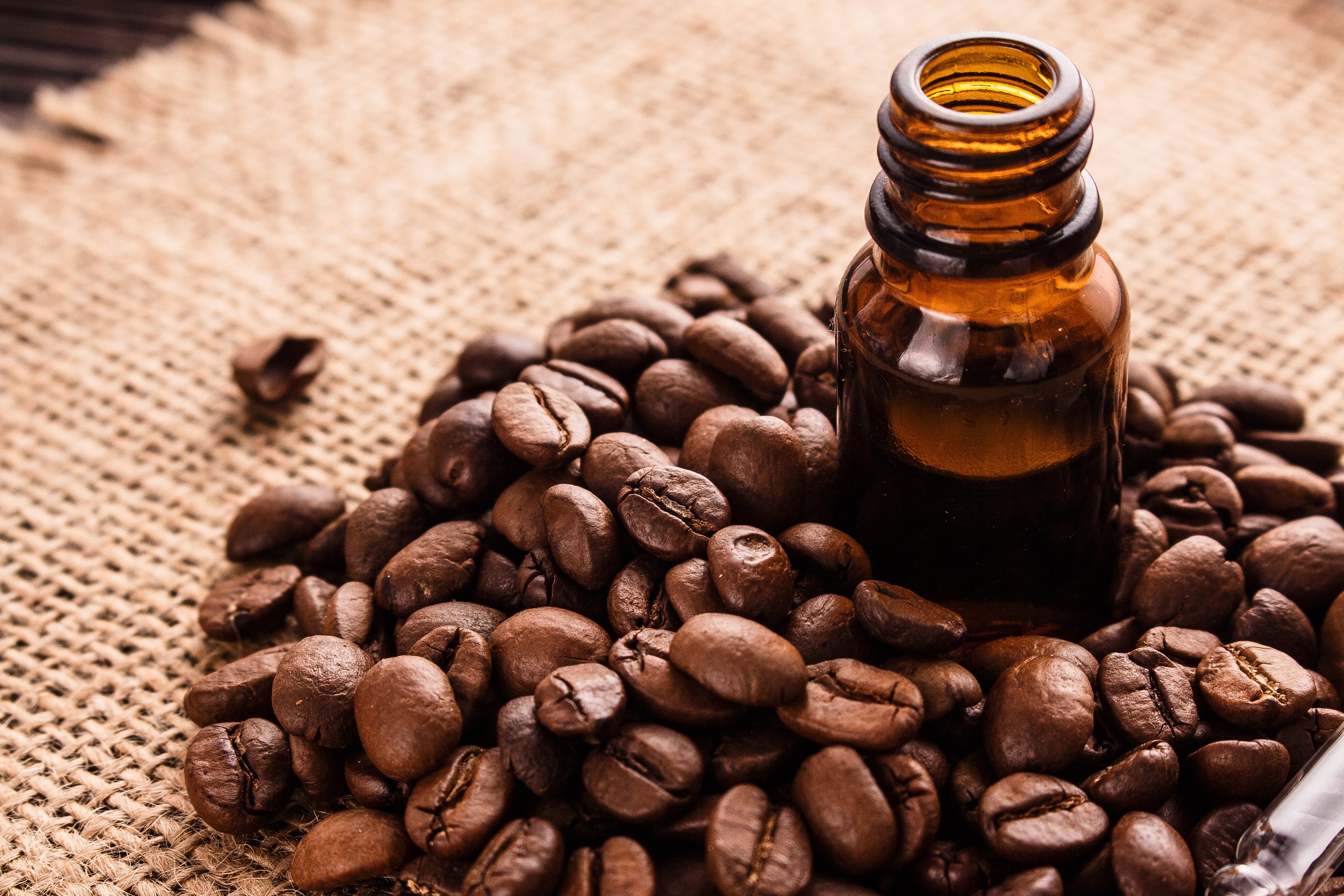
Our Coffee! Tallow Soap is one of our absolute favorites for several reasons, including the incredible smell! It is like a fresh cup of coffee from your favorite coffee shop! Our Coffee! Tallow Soap is made with coffee essential oil and coffee grounds that we source from local roasters.  We infuse the coffee essential oil into the tallow and add coffee grounds for exfoliation and additional benefits. That brings us to our first question. 

Why is coffee used for exfoliation in skincare?

Coffee grounds don’t dissolve in water, making them great for scrubbing away dead skin cells. The soap helps hold the coffee grounds in place so you can moisturize and exfoliate simultaneously. Combining the coffee grounds with soap can create an exfoliating bar that lasts three weeks to a month! While there are many types of exfoliators, coffee is a particularly good one due to the additional antioxidants and benefits it provides.  

What are the benefits of coffee essential oil? 

Coffee essential oil acts as a vasoconstrictor and is rich in antioxidants and phytosterols. This means it protects your skin from free radicals, helps your skin retain moisture, and reduces inflammation. It is known in the skincare world for its skin tightening and cellulite-reducing potential. Coffee essential oil is also known to soothe anxiety symptoms, muscle tension, respiratory conditions, inflammatory conditions, allergies, and acne.

How is coffee essential oil created? Why use both oil and grounds for the soap?

Coffee essential oil is created during the cold-pressed distillation process of roasted coffee beans. This potent essential oil smells fresh coffee and is filled with a wide range of antioxidants and active ingredients that provide potential health benefits. Coffee beans come from the coffee plant, taxonomically known as Coffea arabica, and are one of the world’s most common and sought-after plants. 

We use both the coffee essential oil and coffee grounds in our soap to increase the benefits of the coffee in the soap. The coffee grounds are used for their magnificent exfoliating properties, and the oil is used for the scent and the additional health benefits. 

 Combined with our grass-fed, pasture-raised tallow, the coffee essential oil and grounds come together for the ultimate moisturizing, exfoliating and soothing experience. Whether you use this soap every day for light exfoliating or a few times a week for an intense exfoliating feeling, your skin will thank you. Finally, you’ve found a soap that lasts and has the power to exfoliate, moisturize, tighten, and smooth all in one. 


Tags coffee, coffee soap, coffee essential oil, Essential Oil Soap, essential oil, Tallow, tallow soap
Comment

Happy holidays from the Healthy Porcupine

December 6, 2021 Tiffany Rinehart

Change and flexibility have become constants in 2020 and 2021. We have learned to adapt and find joy in the everyday. While we usually share soap-related content with you each month, this month, we want to reflect on 2021 and share our plans for the holidays and beyond. 

This past year has had a little bit of everything for us. We experienced loss with the passing of our two oldest cats, Boo (17) and Anya (15), and some setbacks like when Jen slipped on ice and ended up in bed for a month with a back injury. Still, we also have had some incredible personal and professional growth. 

We adopted a new kitten, Wyatt, in May. This will be his first Christmas, so we hope everything will go well with the tree (so far…eh, it could be worse?). Here is a photo of Elliot and Wyatt. They have become fast friends since Wyatt arrived. We adopted both of them from the Upper Valley Humane Society in Enfield, NH (Elliot was adopted in 2013.)

This year, from the business side of things, we transitioned from vending at markets and other events to focusing entirely on our online and wholesale orders. While we miss seeing our customers in person and catching up with them, it gives us the necessary time to make soap and fulfill orders, allowing us to grow and serve more customers all over the country.

Thanksgiving was busy for us this year with our exciting Small Business Saturday sale and family visits. We want to take it a bit easier with a staycation for Christmas. We plan to catch up on a couple of our favorite Christmas movies like Christmas Vacation, Trading Places, and Scrooged and we’re also hoping to check out a few local breweries in New Hampshire. At home, we are currently loving our Lavender and Spearmint Tallow Soap. It has given us the bright, calming boost we needed this holiday season.

We will also be trying something new in the kitchen this Christmas. We’ll be making homemade pear and gorgonzola ravioli. We’ve made homemade pasta several times before, and it’s a lot of fun and delicious! You can check out the recipe here: https://www.allrecipes.com/recipe/255519/homemade-pear-and-gorgonzola-ravioli/

We are incredibly grateful and thankful for our customers and their support because we could not be doing this without all of you. We have some exciting things in store for the coming year, some of which are new soap varieties in the works. Stay tuned for our 2022 updates, and if you haven’t already, follow us on social for the latest news. 

We hope you all have a happy and healthy holiday season with the ones you love! 

Tags Soapmaking, Sustainable Soap, Soap, small business, essential oil, Christmas, Opt out of the chemical lifestyle, Palm Oil Free, Palm Oil Free Soap
Comment

How do you make tallow soap?

November 1, 2021 Tiffany Rinehart

Soapmaking is our passion, and we want to share it with all of our customers. That is why we have decided to give you a look into our soapmaking process. As always, we want our customers to choose our products based on the facts. We want to ensure you know just what goes into our products, and we believe they are the best choice for your skin.

If you ever choose to make soap on your own, please be careful, wear protective gear, and look up full instructions with safety requirements.

Our soapmaking process begins with us rendering suet into tallow we can use for our products. This isn’t necessary because you can buy the tallow already rendered, but we do it ourselves because we want to support local businesses and utilize local resources.

How We Turn Suet into Tallow

Step 1 - We pick up our suet from Walden Local Meat.  We always choose grass-finished cattle that are pasture-raised.

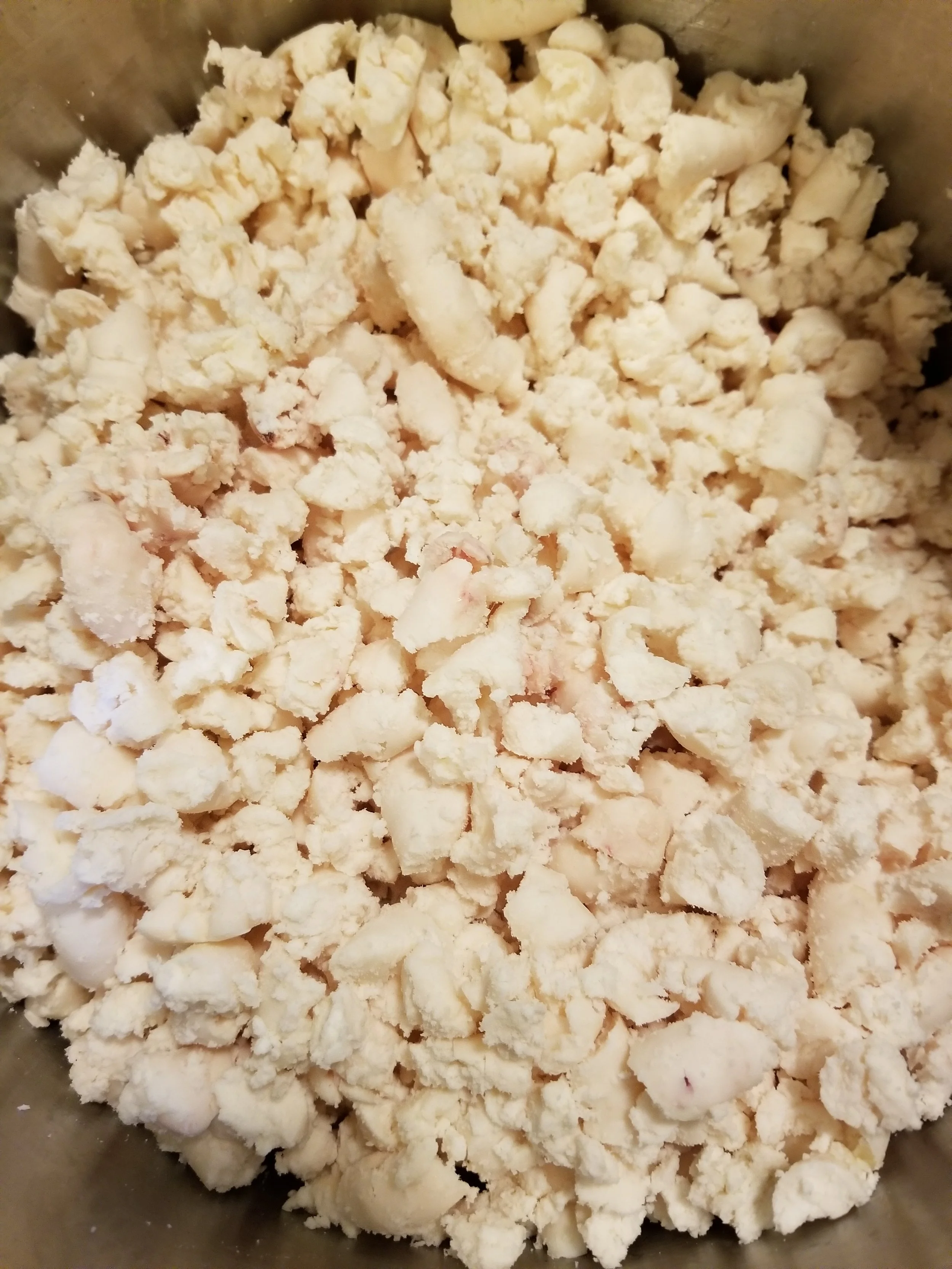
Step 2 – We begin the rendering process. The suet is ground, rendered and filtered.

Step 3 – Let the freshly rendered tallow cool. Once cooled, it’s ready to be used for soapmaking.

Now we are ready to begin the soapmaking process.

How We Make Tallow Soap

Step 1 – First, we heat all of the oils. While they are heating, we start putting together our lye solution.

What is lye? Lye is a general term for two different alkaline compounds known as Sodium Hydroxide (NaOH) and Potassium Hydroxide (KOH). They are highly water-soluble and are sometimes referred to as caustic soda.

Soap is the result of a reaction that occurs when you mix lye with liquid oils. Lye, which has a scientific name of sodium hydroxide, reacts when it is properly mixed; the process of mixing and causing this reaction is called saponification.

The process typically involves mixing lye with oils or butters, which contribute to soap's scents and other natural properties, such as vitamins and minerals. The oils and butters also react with the lye, resulting in a product that is safe for use on the skin. At the end of the soapmaking process, there's no lye left in the soap. It forms a bond with oil and becomes soap! All soap is made with lye at some point in the process.

Step 2 - Once the oils reach the proper temperature, the lye solution is poured into the oils.

Step 3 – Mix the oils and lye solution using a hand mixer. We do this very carefully to limit mess and ensure lye isn’t exposed to our skin.

Step 4 - After several minutes, you will notice a light trace. At this point, you would add any essential oils, color, or coffee grounds, pumice, etc. Continue to mix until you are at a heavy trace.

Trace is the point at which the soap has thickened and blended enough to have formed a stable emulsion.

Step 5 – Once you have a heavy trace, the soap batter is ready to be poured into the molds.

Step 6 – Let the soap sit in the molds overnight so it can saponify.

Step 7 – The next day, when the soap is set in the molds, we remove it from the molds and cut it. Then the soap is put onto curing racks where it says to cure for four weeks.

Done! Now the soap is all ready to be used.

Tags Sustainable Soap, Soap, Soapmaking, Pasture-Based Tallow Soap, how to make tallow soap, Tallow soapmaking, Tallow, tallow soap, local
Comment

Tallow Soap Facts and Myths

October 4, 2021 Tiffany Rinehart
Untitled design (21).png

Tallow is known as a common base for high-quality, long-lasting soaps and balms. However, like most products, there are many misconceptions regarding the sourcing and benefits of tallow. These misconceptions have generated a series of common myths about tallow soaps. As always, we want our customers to be informed. We want you to choose our soaps because you trust what goes into them. That is why we are highlighting some of the facts and myths of tallow soaps. 

Myth: Tallow soap is created with an animal byproduct, so it can’t be good for the environment.

FALSE. Tallow soap is actually a sustainable base for soap. Unlike palm oil, which benefits from massive deforestation, tallow utilizes an animal byproduct that typically goes to waste. Pasture-based tallow is made by rendering suet. The suet used to make tallow is generally considered waste in the farming industry. The primary harvest for most meat-based farms is the meat that people commonly eat. Once the parts people eat are harvested, the suet and other non-traditional parts are wasted. Tallow soap making helps eliminate this waste by utilizing the remaining tallow for nutrient-dense soaps and balms. 

Fact: Tallow-based soaps moisturize my skin better.

TRUE. Tallow has a high percentage of oleic acid, a well-known skin conditioner. Oleic acid is a non-essential fatty acid that is found in human sebum. Oleic acid has a wide range of positive effects on the skin, including acting as an emollient and moisturizer. Oleic acid aids skin regeneration and helps reduce inflammation. Oleic acid is readily absorbed by the skin and can help the absorption of other important molecules like omega-3 fatty acid, which plays an important role in inflammation and the reduction of bad cholesterol. The similarities of oleic acid to human sebum allow its vitamins and nutrients to be absorbed into the body easier, and it locks in moisture and nutrients without clogging your pores.

Myth: Tallow Soap can clog your pores. 

FALSE. Tallow soap is rich in oleic acid, a known skin conditioner. It also contains a similar fat content to human skin making it easy for our skin to absorb. This is why tallow soaps are a great source of vitamins and nutrients for our skin. When we use tallow soaps regularly, they help build up our natural sebum creating soft, healthy-looking skin. 

Fact: Tallow soaps have more nutrients than other soaps. 

TRUE. Tallow contains vitamins A, D, E, K, and B12, contributing to skin health and appearance. Given that the fat saturation of tallow is close to human fat, the vitamins within it can be absorbed into the body easier, and it locks in moisture and nutrients without clogging your pores. On the other hand, palm oil is high in vitamin E and vitamin A, and it has refatting agents that allow your body to restore its natural oils. While these are amazing benefits, it is clear there are more benefits of tallow soap, making it even better. 

Myth: Tallow-based soaps have a meat smell.  

FALSE. This is a very common concern and definitely one we understand. However, if you render and strain the tallow correctly, the soap will not smell like meat. It will smell like tallow soap, which has a mildly fatty smell to some, but it is very soft and non-offensive. Essential oils are a great way to enhance the soap’s properties and scent. Essential oils have their benefits, and when used in conjunction with traditional tallow soaps, they are typically soft and soothing. 

Fact: Tallow can help soothe dry, cracked skin. 

TRUE. Tallow is packed with nutrients, and it has similar fat saturation levels as we do - making it easy for our body to absorb. Tallow balms contain vitamins A, D, E, K, and B12, which can all be beneficial to your skin health and appearance. Given tallow’s organic compatibility with our skin, it works as natural sebum, locking in moisture and nutrients without clogging your pores. These properties are what make tallow balms so great for skin conditions including dry, chapped, calloused, cracked, and sun-damaged skin, rashes, burning, itching, wrinkles, and so on. Tallow soaps and balms give our skin the nutrients to heal itself and the natural oil to retain moisture and nutrients.

Myth: All tallow soaps are created equal. 

FALSE. Like any other product, where you get the ingredients matters. Depending on the kind of suet used to make tallow, there can be vast differences in the final product for tallow soaps. Our suet always comes from grass-finished cattle at a farm in our region. We choose grass-finished cattle that are pasture-raised. By obtaining our suet locally, we can ensure that the cows are treated humanely, graze freely, and live happily. It is important to us that we make high-quality soaps in the most humane way possible. That is how we can create quality soaps and balms that set us apart from the rest. 

Tags Tallow, tallow soap, Tallow Balm, Pasture-Based Tallow Soap, Sustainable Soap, Essential Oil Soap, essential oil, Handmade Soap
1 Comment

Are tallow soaps and balms a sustainable option?

September 7, 2021 Tiffany Rinehart
Sustainable Soap and Balm

Sustainability is a crucial topic these days. With the effects of climate change ever-present, we want to make sure the products we use and create are made with sustainability in mind. When considering how to opt-out of the chemical lifestyle, we knew we wanted to make soaps that were good for our bodies and better for the environment. That is why we chose tallow for our soaps and stopped using palm oil products. Palm oil is the most common tallow soap alternative because it is cheap; however, it is typically not harvested sustainably or ethically. Unfair labor practices, animal cruelty, and rapid deforestation are common in the palm oil industry, making it far less sustainable long term.

On the other hand, tallow soap utilizes an animal by-product that would typically go to waste. Pasture-based tallow is made by rendering suet. Beef suet is the fat found around the loins and kidneys of cows. To render the tallow, the suet is chopped up, melted over low heat, the liquid fat is strained to separate solid pieces, and the liquid fat is allowed to cool, resulting in rendered tallow. The suet used to make tallow is typically considered waste in the farming industry. After the meat that most people eat is harvested, the suet is leftover with other non-traditional parts.

Rendering tallow from suet when making soaps and balms helps reduce waste by using something otherwise discarded. As for the type of suet we use, we use grass-fed, pasture-raised suet to make our tallow. We want to ensure our soaps are made using humanely sourced ingredients that are high quality. While tallow may seem like an odd choice for soap, the added vitamins and nutrients and the sustainable benefits actually make tallow a better choice for soap than palm oil.

Ultimately, Tallow soaps help alleviate waste from the farming industry by utilizing suet (beef fat) and turning it into a vitamin-rich skincare product. Using suet from grass-finished and pasture-raised cattle can ensure humane treatment of the cattle. In addition to these great ethical and sustainable qualities of tallow soap, we also make sure to use recyclable packaging to limit delivery waste.

We believe that tallow soap is the perfect choice for sustainable soap. It is compatible with our skin and filled with the vitamins and nutrients our skin craves. Try out one of our soaps and balms and see for yourself how beneficial tallow soap is for you and the environment.

Tags Soap, Sustainable Soap, Tallow Balm, small business, Healthy, Healthy Lifestyle, health benefits, Opt out of the chemical lifestyle, Tallow, Pasture-Based Tallow Soap, Palm Oil Free Soap, Palm Oil Free, Pasture-Raised, Handmade Soap
2 Comments

Tips for Using Essential Oils Safely

August 2, 2021 Tiffany Rinehart

As you can tell from our previous blog posts, we are big fans of all-natural essential oils. We use them in our soaps and balms, and we can use them for so much more.  As long as we are using them safely, the possibilities are endless. It can be tricky to understand just what to do with essential oils and how to do it safely. Just because a product is natural doesn’t mean we can always use it in its natural form or excess. That is why we wanted to share some information on how to use essential oils properly. We want to try and help spread information that can keep our customers safe.

Essential oils are made from various plants, barks, rinds, leaves, herbs, and flowers. The oil is extracted using different methods depending on the type of material, and each oil is different with unique benefits, scents, and potencies. All of the essential oils we use in our products are diluted with sunflower oil and tallow when we put them into the product. Diluting the oil in the product makes the essential oil softer and less likely to irritate the skin. Some essential oils are not made to be directly placed on the skin because their potency is too high, and they may cause irritation. When starting your essential oil journey, here are some important tips to keep in mind.  

Use essential oils for aromatherapy safely. Put the oil in a diffuser, humidifier, in soaps or lotions.

Never put essential oils in your eyes, nose, mouth, or sensitive areas. Unless they can be ingested, it can be extremely dangerous to ingest or absorb some of these oils. Lemongrass, peppermint, and cinnamon bark are examples of oils you shouldn’t consume.

Essential oils that are safe for you may not be safe for your pets.  Always check with your veterinarian before introducing a diffuser to your home and never use essential oils topically on your pets unless your veterinarian says it's okay. 

Always check the quality of the oils you are using. Especially if you are putting them on your skin, we use natural essential oils instead of fragrance oils. Fragrance oils can irritate the skin, and you don’t want to get a rash unnecessarily. You can avoid this by researching the company you are purchasing your oils from and checking quality standards.

Throw out older oils. After three years, oils may be spoiled due to oxygen exposure and can irritate your skin. 

Research all the oils you use. You shouldn’t ingest some skin-safe oils, and you shouldn’t put some ingestible oils on your skin. It is important to know the difference, so you don’t end up sick or with a rash.

Speak to a medical professional about the oils you use. If you’re ever worried about using or ingesting an oil, speak to your doctor and make sure it is safe for you. Each person is different, and you never know how your body will react to things specifically. Just because it works for a friend or family member doesn’t mean it will work for you.

Dilute your oils.  Undiluted oils are too potent to use right out of the bottle. Diluting them helps keep them at a level that is less likely to cause a reaction. You can dilute them with water, vegetable oils, creams, or bath gels, to make them softer for your body. A lower percentage of essential oil is less likely to cause a reaction.

Be mindful of the condition of your skin. Some essential oils may be safe to use on skin conditions, but some are not. Putting the wrong essential oils on damaged skin can worsen irritation.

Be careful with the amount of oil you use. Undiluted oil is powerful, and even diluted oil can cause a reaction if you put on too much at one time.

Most importantly, listen to your body and do your research. Doing the research is the best way to ensure that the oil is of good quality and correctly used. Once you have done your research, you can test it to make sure it works for your body. Essential oils are safe to use and contain vast health benefits; that is why we use them in our soaps. They are more than just scents; they are filled with antioxidants, anti-inflammatories, antiseptics, and other amazing qualities. We encourage you to embrace the world of essential oils but always do it carefully.

Tags Essential Oil Soap, essential oil, safety, Tallow, Tallow Soap, Tallow Balm, Sustainable Soap, Opt out of the chemical lifestyle, Soap, small business
Comment

What does it mean to opt-out of the chemical lifestyle?

July 6, 2021 Tiffany Rinehart
#OptOutoftheChemicalLifestyle.png

Over eight years ago, we decided it was time to opt-out of the chemical lifestyle. To us, opting out of the chemical lifestyle is a decision to use natural products with straightforward ingredients whenever possible. We use chemicals in our homes, our bodies, and at work. While we know some chemicals are necessary, and it would be difficult to cut them out 100%, limiting our exposure to unnecessary chemicals can benefit our health and the world around us. Specifically, we want to limit our exposure to synthetics—artificial chemical compounds that are usually cheap and easy to make. These synthetic chemicals are typically not environmentally conscious and can be bad for our health/skin. 

When it comes to soap and skin specifically, we began making soap because we realized how damaging these synthetic chemicals could be to our skin. They have little to no health benefits, and they can actually work against us. Opting out of the chemical lifestyle was a way for us to take control of our skin health by making and using products that give us added health benefits. That is why we only use pasture-based beef suet in our soaps and all-natural essential oils in our products. By using pasture-based beef suet, we can ensure our tallow is nutrient-rich without unnecessary chemicals and hormones.

Similarly, using all-natural essential oils help keep our products safe for most skin types with less risk of irritation than synthetic fragrance oils. Making our products healthy for our customers and us is our top priority, but sustainable production is equally important. We make sure we support sustainable farming practices that value and nourish the soil, and we use reusable packing whenever possible to help keep our oceans clean. When it comes to our soaps, opting out of the chemical lifestyle is more than a motto, it's a lifestyle. We want to make sure we embrace it while also making it easy for our customers to opt-out of this lifestyle along with us. 

Opting out of the chemical lifestyle may look different for everyone, but ultimately, it is choosing to use natural ingredients and products. It may not always be possible, but making that choice and working towards it is enough. When you start to consider opting out of the chemical lifestyle, there are several ways to do it and how you begin is also up to you. Here are some great suggestions to get you started: 

  • Shopping at local businesses with locally sourced ingredients.

  • Utilize reusable packaging through package-free wholesale stores or alternative uses.

  • Research ingredients and learn what natural, sustainable products work best for you.

  • Using companion gardening to deal with pests and diseases instead of pesticides. This hugely aides the bee community.

We want to emphasize that we are not perfect; no one is. But, we should always strive to be better a little bit at a time. Keep educating ourselves, and apply one thing at a time. We hope this blog makes opting out of the chemical lifestyle a little easier for you. 

Tags Soap, Sustainable Soap, small business, Essential Oil Soap, essential oil, Pasture-Based Tallow Soap, Palm Oil Free Soap, Palm Oil Free, Pasture-Raised, Opt out of the chemical lifestyle, all-natural soap, Tallow, Tallow Soap, healthy soap, health benefits, Healthy, Healthy Lifestyle
Comment

The Benefits of Essential Oils

June 1, 2021 Tiffany Rinehart

Aside from the Pure Tallow Soap, Pumice Tallow Soap, Pine Tar Soap, and the Unscented Tallow Balm, all of our soaps and balms include natural essential oils made from plant extract. We use essential oils in our soaps for their scent and their potential health benefits. When choosing the right soap, you have to figure out which essential oils work for you and why. To make it a little easier, we have compiled all of the essential oils we use and some of their benefits. If you want to know more about a specific essential oil, we recommend doing some individual research to confirm which one is right for you. 

Cedarwood - Cedarwood essential oil is derived from the needles, leaves, bark, and berries of cedar trees. It is known for its soothing, relaxing, and comforting properties. Cedarwood essential oil is commonly used for sleep, anxiety, aromatherapy, and in colognes. It is also great for oily and acne-prone skin because it helps alleviate and reduce stubborn breakouts. Cedarwood oil may also be beneficial for other skin conditions. For example, it may reduce the appearance of scars, treat minor wounds, alleviate arthritis pain, and soothe symptoms of eczema.

Coffee – Coffee essential oil is derived through a cold-pressed distillation process of coffee beans. It acts as a vasoconstrictor and is rich in antioxidants and phytosterols. This means it protects your skin from free radicals, helps your skin retain moisture, and reduces inflammation. It is known in the skincare world for its skin tightening and cellulite-reducing potential. 

Eucalyptus - Eucalyptus essential oil is made with eucalyptus leaves that are dried, crushed, and distilled. Eucalyptus essential oil is known to relieve respiratory based ailments and muscle pain and soreness. It also has properties that strengthen your immune system, act as an antiseptic, and stimulate brain activity. It is an excellent bug repellent and DEET alternative for those who cannot use DEET. 

Peppermint – Peppermint essential oil is made by extracting oil from the leaves of the peppermint plant. Peppermint essential oil has been used medicinally for centuries and dates back to the ancient Egyptians. Peppermint oil has a wide variety of uses, but its most common properties are itch relief, muscle pain, and headache relief. Peppermint oil also has a cool, sharp scent that can be refreshing and awakening. 

 Lavender – Lavender essential oil is derived from the lavender plant, and it is commonly known for its calming and soothing properties. As a natural antidepressant and detoxifier, lavender essential oil is typically used for aromatherapy and stress relief. Lavender essential oil is also said to have antibiotic and antiseptic properties that can help promote healing and prevent scarring. It is a great soap ingredient with healing properties that leave skin feeling smooth, silky, and moisturized.  

Tea Tree – Tea tree oil comes from the evergreen leaves of the Australian Melaleuca Alternifolia tree. It is a very fragrant oil that is known for its antiviral, antibacterial, and antifungal properties. Tea tree oil can be used to soothe skin, hair, and nail conditions and as an insect repellent. When used topically, tea tree oil can aid certain skin conditions or improve the skin's overall appearance.

Lemongrass – Lemongrass essential oil is extracted from the leaves and stalks of the lemongrass plant. It has a bright citrus scent that can help with symptoms of stress, anxiety, and depression. Lemongrass essential oil is also known to have anti-inflammatory, antifungal, antibacterial, and antioxidant properties. It can help with infections, arthritis, fungi, and free radical damage. 

Orange – Orange essential oil is extracted from the rind of the sweet orange, Citrus sinensis. Much like lemongrass essential oil, orange has a bright citrus scent that can improve your mood and combat symptoms of anxiety and depression. It can also be used to reduce pain and inflammation in some cases. 

Clove – Clove essential oil is derived from clove trees known as Syzygium aromaticum. It is native to Southeast Asia, although today, you may find it growing in other locations, too. It has antiseptic, antiviral, and antifungal properties that can help kill bacteria and fungi and ease pain. Clove oil has also been found to aid in severe itching. 

Patchouli - Patchouli essential oil is derived from the leaves of the patchouli plant. The leaves and stems of the plant are harvested and allowed to dry out before the distillation process to extract the oil. Patchouli has a calming, earthy scent, and it can be used as an insecticide, antifungal, and antibacterial. Patchouli essential oil can help relieve anxiety and depression, and it can soothe skin conditions such as acne, eczema, and dry skin.

Rosemary – Rosemary essential oil is extracted from the needle-like leaves of the rosemary evergreen shrub. It has been known to help increase memory and brain function and can help relieve stress. It is also ideal for removing other strong scents from cooking or working. Rosemary essential oil has anti-inflammatory, insecticide, and antibacterial properties. It can help improve circulation and healing. 

Pine Tar – Even though pine tar is not an essential oil, we feel it’s important to list its benefits. The pine tar we use is derived from pine tree stumps and burned in a kiln resulting in "genuine peasant made tar." This pure form of pine tar is known for its antifungal, anti-inflammatory, and antibacterial properties. It is excellent for relief from long and short-term skin conditions like dry skin, eczema, and psoriasis. 

This list is not all-encompassing, and we hope to continue to try new essential oils in the future. If you’re looking for a fresh new soap this summer, we recommend our Lemongrass Tallow Soap or our Eucalyptus and Peppermint Tallow Soap. Both of these soaps are the perfect summer fresh vibe. Check out one of those, or use this list to find the perfect soap for you.

Tags essential oil, Essential Oil Soap, Pasture-Based Tallow Soap, Tallow, tallow soap, Tallow Balm, Sustainable Soap, healthy soap, health benefits
Comment

What are the benefits of handmade soap?

May 3, 2021 Tiffany Rinehart
Handmade Tallow Soap.jpeg

People buy handmade soaps for a variety of reasons. Maybe it’s to support local businesses, to live healthier, to use better ingredients, or to have transparency in the ingredients they use, but no matter what the reason is, we believe it is the right choice.

Benefit No. 1: Handmade soaps use are often natural and free of chemicals  

We believe that a soap is only as good as its ingredients. Why not use a soap that helps your skin and smells nice, instead of one or the other? That is why we chose to opt-out of the chemical lifestyle about eight years ago. By handmaking soaps that are formulated with fewer chemicals and more simple ingredients, you get higher quality bars of soap. Our all-natural tallow-based soaps are made with grass-finished beef tallow that has a similar fat composition to human skin. This means the body absorbs the nutrients from the tallow, like vitamins A, D, E, K, and B12, much easier than traditional soaps.

 Mass-produced soaps are often filled with chemicals and ingredients that people can’t even pronounce like synthetic detergents and preservatives that offer little to no benefit to the skin. These added chemicals are used for smell, preservation, or aesthetics and can cause skin reactions and irritations.

Going with a small brand usually means you can easily obtain and understand the ingredients. Our handmade natural soaps are made in small batches with grass-finished tallow, extra virgin olive oil, coconut oil, and natural essential oils that are gentle and soothing for the skin. We want you to trust and rely on our soaps as much as we do.

Benefit No. 2: Natural soaps are typically more moisturizing

Natural soaps are typically free of harsh and unnecessary chemicals. In our case, we only use all-natural tallow that comes from grass-finished beef. Given the similar fat saturation levels of the tallow to human skin, it is easily absorbed by the skin. Tallow’s organic compatibility with our skin allows it to works as natural sebum as well, locking in moisture and nutrients without clogging your pores.

Typical mass-produced soaps may try to include the same vitamins, but they struggle to match the quality of handmade soaps. By using easily mass-produced ingredients and chemicals, the mass-produced soaps don’t have the same properties to facilitate healthy skin. Tallow soaps, on the other hand, give the skin the nutrients it needs to soothe itself and the natural oil to keep the moisture and nutrients in.

 Benefit No. 3: Natural soap can keep your skin looking and feeling healthier

Tallow acts as a natural moisturizer and its nutrient-rich composition can help soothe skin from a variety of skin irritations. Working by itself, natural tallow soap can help soothe dry cracked skin, eczema, psoriasis, and other skin conditions. However, for people who enjoy a scent in their soap, essential oils are a great way to add scent and additional skin soothing benefits. Each essential oil plays its part and provides different types of relief. If you check out our social media posts or our website, you can see how each essential oil has different properties to improve your skin and your overall wellness.

Benefit No. 4: It is better for the environment and local economies

We are proud to be owners of a small business and we try and support other small, local businesses as well. One of the benefits of buying handmade soap is supporting local economies. It is also a great way to support your community. Small businesses actually have been found to support local communities the most. Making it a more circular shopping model.

 Supporting local businesses is also a good way to help the environment and reduce your carbon footprint. Small businesses have the freedom to choose more sustainable packaging and can use it while still being cost-effective. Due to the size of larger mass-produced soap, they often don’t choose sustainable packaging because profit is the purpose. Overall, small businesses have a smaller carbon footprint than larger companies, and supporting them means you are shrinking your carbon footprint too! 

Handmade soaps are really the way to go. They allow you to learn about the products you are using and how they really benefit you. They provide transparency between the business and the consumer. They keep your skin feeling soft, looking better, and feeling healthier. They also support local businesses and help the environment. While these soaps may cost a bit more, the cost is worth it for all of these incredible benefits. The most important thing is that your skin is healthy and you find a product that works well for you.

We offer a variety of tallow-based soaps and balms that are all handmade with care and skin-sensitive ingredients. We want you to opt-out of the chemical lifestyle and take control of your skin today!

Tags Tallow, tallow soap, Tallow Balm, Pasture-Based Tallow Soap, Sustainable Soap, small business, Palm Oil Free, Handmade Soap
1 Comment

Pasture-Raised, Grass-fed, Feedlot, Grain-Finished Cattle - What's the difference?

April 5, 2021 Tiffany Rinehart
Farm Pasture-raised Tallow.jpeg

Most of us have heard of grass-fed cattle and understand it to be a healthier option, but does it actually mean, and how do we know it is the best choice? Having so many options can be confusing especially when we don’t know the differences and technicalities in each. For example, grass-fed, and pasture-raised may seem like the same thing, but there are small differences that can make a huge impact when it comes to the products you use or the food you eat.

What are feedlot cattle or conventionally raised cattle?  

All cattle in the United States begin on the pasture. Calves are pasture-raised for six months to a year, and once they are weaned (separated from their mothers) and vaccinated, they are auctioned and moved to a feedlot.

When cattle are grown on a feedlot the primary focuses are efficiency and growth of the animal, but nutrition and health are also important. The main purpose of feedlots is to help the animal reach a certain weight as efficiently as possible. This happens through providing a steady, high-energy diet and managing the cattle to minimize health problems and stress. One major part of this equation is to lower the amount of energy the animal spends trying to find food and direct that to growth. 

Once the cattle are in the feedlot they are vaccinated, ear-tagged, and started on a high forage diet. The longer they are in the feedlot, the more their diets become concentrated with grains and high-energy products. This diet along with cortisol from stress, allows the cattle to gain weight exponentially in the feedlot. This makes the overall harvesting process fast and cost-effective.

This fast and cost-effective method still comes with a high moral price tag. The cattle in feedlots are often shoved by the thousands into small, dirty spaces, fed poor quality food, and offered little to no exercise. These cattle aren’t even provided the sight of the outdoors in most cases and mistreatment is common as well.  

It is no wonder that these harsh conditions and poor dietary options result in cattle with significantly less nutrients than the other methods. In fact, grain-fed cattle have four times less vitamin E and unhealthy ratios of omega-6 to omega-3. This unhealthy balance can lead to serious health conditions.

Feedlot cattle are raised efficiently for mass production, but the ethics, nutrition, and quality are lacking. With that being said, it is a cheaper meat option, but it isn’t the healthiest option for your body or the most ethical choice for consumption.

What are grass-fed cattle? 

Grass-fed cattle spend the majority of their lives eating grass and foraging in pastures, but it doesn’t necessarily mean the cow was fed a grass diet their entire lives. If the cattle have spent the majority of their life eating grass, no matter how it is finished, means it can be labeled grass-fed. 

In other words, as long as the cow was fed greenery at one point in its life, it can be labeled as grass-fed beef. However, grass-finished beef means the cow was fed grass — and nothing but grass and plants — for the duration of its life.

So when choosing a grass-fed beef product, it is important to note whether it was grass-finished or grain-finished because each yields a different outcome.

What are grain-finished cattle?

Grain-finished cattle, like grass-finished, spend the majority of their lives eating grass and foraging in pastures. However, these cattle are “finished” with grain and corn before they are harvested. When beef is grain-finished, cattle are free to eat a balanced diet of grain, local feed ingredients, and hay.

So in this case, the cattle were started and spent the majority of their lives on a grass-fed diet and may have been fed grains for the remainder of their lives. The term for this is actually grass-fed, grain-finished beef. 

These cattle still end up in the feedlot for the remainder of their life, producing cortisol and eating grain to produce more fat. While this is a slightly better option than conventionally raised cattle, it is still ethically questionable and leaves the cattle with less nutrients and a higher fat content. Ultimately, this leads to lower quality meat with more fat, more chemicals, and fewer nutrients.

What are pasture-raised cattle?  

Pasture-raised cattle refers to cattle that live and feed on a pasture their entire life. Not all pasture-raised cattle are grass-fed. Some pasture-raised cattle are still fed grains while on the pasture. This typically happens in colder climates when there isn’t enough grass or hay available on the pasture.

While there are pasture-raised cattle that are 100% grass-fed, it is not always the case. We need to be mindful of what the cattle eat and where. The benefit of pasture-raised cattle is that it gives the cows a chance to be cows. They have the freedom to wander, lots of space to graze, and are treated well by the farmers who raise them. 

If raised properly pasture-raised cattle will typically have less cortisol and can be nutrient-dense if they’re grass-finished. Pasture-raised cattle that are grass-finished are an ideal choice for beef products.

What cattle does The Healthy Porcupine use? What cattle should you choose? 

All of our suet comes from grass-finished cattle. We choose grass-finished cattle that are pasture-raised. We get our suet sourced locally in the Northeast, courtesy of Walden Local Meat. They are located in Billerica, Massachusetts, and provide beef and dairy products to businesses throughout the Northeast. By obtaining our suet locally, we can ensure that the cows are treated humanely, graze freely, and live happily. It is important to us that we make high-quality soaps in the most humane way possible. We choose to use Walden Local Meat’s suet in our soaps because it is sourced from several local farms that provide 100% grass-fed, pasture-raised beef suet rich in nutrients, perfect for our all-natural tallow soaps.

The tallow we make from this suet contains healthy amounts of vitamins A, D, E, K, and B12, which can all be beneficial to your skin health and appearance. Choosing a soap or a product with grass-finished cattle is a great way to ensure you get a nutrient-rich product that is good for your body. No matter what you choose, always try and make the right choice for you. We want to make sure you have the knowledge you need to opt-out of the chemical lifestyle and move on to better you.

Tags Tallow, Tallow Soap, Sustainable Soap, Beef Suet, Tallow Balm, Pasture-Based Tallow Soap, Pasture-Raised
Comment

Fragrance Oil vs. Essential Oil

March 1, 2021 Tiffany Rinehart
AdobeStock_83920562.jpeg

When we began our handmade soap journey over eight years ago, we had so many choices to make when it comes to what we put in our soaps. We know that our customers have to make the same choices when it comes to choosing a soap. Should I use a palm oil or tallow based soap? Should I get a fragrance-free or scented soap? Essential oils or fragrance oils? The questions could go on and on. In today’s blog, we will discuss the difference between fragrance oils and essential oils, and why we choose to use essential oils in our soaps. If you want to learn more about tallow vs. palm oil, check out last month’s blog.

What are fragrance oils?

Fragrance oils are made with a mixture of synthetic and natural ingredients. Some are made with as many as sixty different ingredients in one small bottle. Due to the synthetic nature of the ingredients in fragrance oils, they typically last longer than essential oils. Resins, preservatives, and other synthetic ingredients allow the fragrance oils to withstand the soap-making process better and remain stronger once the process is completed. Fragrance oils also come in a much larger variety of smells than essential oils because they aren’t limited to natural scents. This means they are typically cheaper than essential oils and can be found in many commercial products. 

What are essential oils?

Essential oils are extracted from different parts of a plant, such as flowers, herbs, or roots. The extraction processes, steam distillation or cold extraction, are what creates 100% natural essential oils. Essential oils are not mixed or diluted with any other substances making them very neat compounds of a plant’s essence. It is difficult to recreate the scent of an essential oil in a fragrance oil and when it is attempted it contains an abundant mixture of synthetic compounds. The purity of essential oils allows them to retain the health benefits of the plants they are sourced from. The same purity makes it difficult for the scent of essential oils to remain stable during the soap making process, especially when it is done on a large-scale, like commercial soap making. However, for smaller retailers like us, we take the time and care to ensure the scent and beneficial qualities of the essential oils remain in our soaps.

Where do you get your essential oils for your soaps?

We get our essential oils from New Directions Aromatics. They offer a wide variety of products at a reasonable cost so we can keep our soaps reasonably priced for our customers. Aside from the cost, we choose their essential oils because they are certified 100% pure essential oils and Certified Fair Trade. We want to make sure we are using quality essential oils for our soaps, so we can help our customer’s skin look and feel its best while using natural products.  

Why should I choose essential oils over fragrance oils?

As we mentioned before, essential oils are 100% natural oils made from plant extract. The reason we use essential oils in our soap, and the reason you should choose them, is for their health benefits and gentle qualities for sensitive skin. Synthetic ingredients used in fragrance oils are more likely to cause skin irritation than essential oils. Typically, unless you are allergic to the plant itself, essential oils are safe to use on the skin and can actually help the skin. Depending on the type of essential oil, the health benefits may differ along with the scent and shelf life. Many essential oils are used for their anti-inflammatory, antiseptic, antimicrobial, and pain relief properties. However, each essential oil has specific health benefits and should be chosen based on each person’s health and skincare needs.

Much like the essential oils put into our soaps, each soap has unique health benefits based on the oils that are used. When choosing a soap, we encourage you to read up on the essential oils and the grass-finished tallow, so you can make an informed decision that aligns with your health and skincare goals. We want to make sure our soaps allow you to opt-out of the chemical lifestyle to create the healthiest version of you.

Tags essential oil, Fragrance Oil, Palm Oil Free, Fragrance Oil vs. Palm Oil, Essential Oil Soap, Tallow Soap, Pasture-Based Tallow Soap
Comment

Palm Oil Soap vs. Pasture-Based Tallow Soap

February 1, 2021 Tiffany Rinehart
Palm Oil Soap vs. Pasture-Based Tallow Soap

When choosing a soap, it can go far beyond simple smells, costs, and brands. The quality and source of the ingredients are equally important.

So, what is the main difference between pasture-based tallow and palm oil?

Palm oil and tallow are used as the base in the soap making process. The hard oils and fats in the palm oil and tallow allow the soap to stay firm when it gets wet. The most apparent difference between them is that one is a plant-based oil and one is a pasture-based fat, but the differences don’t stop there. The way palm oil and tallow are sourced is different, and their nutrients, cost, sustainability, and texture are different as well. We know it is practically impossible to know everything about the ingredients in every product we use, but when it comes to soaps we think it is possible to make an informed decision.

How are palm oil and pasture-based tallow sourced?

Pasture-based tallow is made by rendering suet. Beef suet is the fat found around the loins and kidneys of cows. To render the suet, it is chopped up, melted over low heat, the liquid fat is strained to separate solid pieces, and the liquid fat is then allowed to cool resulting in rendered tallow. While to some tallow may seem strange or gross, the added vitamins and nutrients along with the sustainable benefits, actually made tallow a better choice for soap than palm oil.

Palm oil comes from the fruit of oil palm trees, the scientific name is Elaeis guineensis. The majority of palm oil harvested today comes from South Asia; although, it was originally native to Africa. There are different types of palm oil, but the oil that is typically used in soap making comes from squeezing the fruit of the oil palm tree. It is squeezed to get all of the palm oil out and this crude oil is then used to make soaps and many other household products. Palm oil is very common in household products because it is cheap and easy to work with, however, the conditions of its sourcing often call for ethical concerns. The ethical concerns in palm oil production stems from unfair labor practices and massive deforestation that further risks endangered species.

While tallow comes from animals, it is not the primary reason the animal is harvested. In fact, suet is typically considered waste in the farming industry. After the meat that most people eat is harvested, the suet is leftover with other non-traditional parts. Rendering tallow from suet to make soaps and balms is a sustainable way to use something that would be otherwise discarded. As for our soaps and balms, we also ensure the use of grass-fed cattle for any of our suet. We want to ensure our soaps are made using humanely sourced ingredients that are high quality.

What are the benefits of tallow vs. palm oil?

In addition to palm oil creating a long-lasting soap, its benefits also include high vitamin E and vitamin A content and refatting agents that allow your body to restore its natural oils. While these are amazing benefits, the benefits of beef tallow are even better. Tallow contains vitamins A, D, E, K, and B12, which contribute to skin health and appearance. Given that the fat saturation of tallow is close to human fat, the vitamins within it can be absorbed into the body easier and it locks in moisture and nutrients without clogging your pores.

Why choose beef tallow over palm oil?

We made the choice ourselves when we began making soaps, with skin conditions and health concerns we were looking for natural remedies that help our bodies and don’t break the bank. Tallow is known for its nutrient-rich properties that naturally heal and nourish our skin, so for us, it seemed like the perfect base. We make sure our tallow is ethically sourced and ensure it comes from a high-quality source. By doing so we can create soaps that are good for us and don’t come with the moral dilemmas of palm oil. Why not use a soap that is good for your health, your skin, the orangutans, and the elephants too!


Source: wwf.org

Tags Palm Oil Free Soap, Palm Oil Free, Palm Oil vs. Tallow, Tallow, Tallow Soap, Pasture-Based Tallow Soap, Soap, all-natural soap, Sustainable Soap, Why use tallow soap?
1 Comment
← Newer Posts Older Posts →
nhmade

HANDMADE WITH CARE IN NEW HAMPSHIRE.

images and text copyright
© 2023 The Healthy Porcupine
All rights reserved

 *These statements have not been evaluated by the Food and Drug Administration. This product is not intended to diagnose, treat, cure, or prevent any disease.