If you’ve searched for information about tallow soap for acne, you’ve probably seen mixed opinions online. Some people praise traditional tallow soaps as a gentle skincare option, while others worry that using animal fats on the skin might worsen breakouts.
The truth is that acne is complex. Hormones, genetics, stress, diet, and skincare routines can all play a role. No single product works for everyone. However, many of the concerns surrounding tallow soap and acne-prone skin come from common myths or misunderstandings about how traditional soaps work.
Understanding the facts about the ingredients in tallow and soapmaking can help you make more confident decisions about your skincare routine.
Let’s take a closer look at some of the most common myths about tallow soap and acne.
Myth #1: Tallow Soap Will Automatically Clog Pores
Does tallow clog pores?
One of the most common concerns people have is that tallow will clog pores because it is an animal fat.
In reality, tallow is chemically similar to the natural oils produced by our skin. This is one reason it has been used in traditional skincare and soapmaking for centuries.
When used in soap form, tallow helps create a creamy lather that cleanses away dirt, excess oil, and impurities from the skin. Many people find that soaps made with tallow cleanse effectively while leaving the skin feeling balanced rather than overly dry or greasy.
Myth #2: Acne-Prone Skin Needs Harsh Cleansers
Is stronger always better for acne?
Many commercial acne products focus on aggressive ingredients designed to remove as much oil as possible from the skin.
While this approach may work for some people, overly harsh cleansers can also irritate the skin or disrupt the skin barrier. When the skin becomes too dry, it may produce even more oil to compensate, which can sometimes contribute to breakouts.
This is why some people choose gentler cleansing options that focus on maintaining balance rather than stripping the skin.
For example, soaps made with ingredients like tea tree essential oil, widely known for its refreshing and cleansing properties, are often chosen by people looking for simple skincare options.
Myth #3: Tallow Soap Is Too Heavy for Facial Skin
Can tallow soap be used on the face?
Another common misconception is that tallow-based products are too rich for facial skincare.
However, soap behaves differently from creams or balms. During the soapmaking process, fats react with lye through a natural chemical reaction called saponification. This transforms the fats into soap molecules that cleanse the skin.
The finished soap no longer contains active lye. Instead, it becomes a cleansing bar that removes dirt and impurities while creating a rich, creamy lather. This will leave your skin soft and clean, without leaving thick, leftover layers of products like lotions and balms.
Traditional soapmakers have used tallow as full-body soap for centuries because it creates long-lasting bars that cleanse effectively while maintaining skin comfort.
Myth #4: Natural Ingredients Can’t Help Acne
Can simple skincare routines support acne-prone skin?
There is a common assumption that acne requires complicated skincare routines filled with specialized products. In reality, many people find that simplifying their routine can help reduce irritation.
Products made with fewer ingredients may help people avoid unnecessary additives, fragrances, or detergents that can sometimes irritate sensitive skin.
Traditional ingredients like pine tar have been used in soapmaking for generations and remain popular among people who appreciate simple, time-trusted skincare.
Myth #5: All Soap Is the Same
What’s the difference between traditional soap and commercial soap?
Many products labeled as “soap” today are actually synthetic detergent bars or mass-produced bars made with large quantities of commodity oils, such as palm or soybean oil. While these products can cleanse the skin, they are often formulated for large-scale production and may not offer the same qualities as traditionally crafted soaps.
Traditional soap, on the other hand, is made through a time-tested process called saponification, in which fats react with lye to form soap. This process transforms the ingredients into a cleansing bar that many people find produces a rich lather and leaves the skin feeling clean without the overly stripped sensation sometimes associated with detergent-based cleansers.
Because of this difference, many people notice that handcrafted soaps cleanse the skin while leaving it feeling clean yet conditioned rather than tight or overly dry.
Tallow Soap vs Commercial Acne Cleansers
Many commercial acne cleansers focus on powerful active ingredients designed to remove oil quickly. While these products can be helpful for some individuals, they may also cause dryness or irritation for others.
Traditional soaps made with tallow take a different approach. Instead of aggressively stripping the skin, they focus on gentle cleansing using simple ingredients.
Some people prefer this type of skincare routine because it emphasizes balance and consistency rather than harsh treatments. For those exploring simpler skincare options, traditional soaps can be an appealing alternative.
People often ask: Can Tallow Soap Help Acne-Prone Skin?
Acne affects everyone differently, and no single skincare product works for every person.
However, many people exploring natural skincare appreciate the simplicity of tallow-based soaps because they cleanse without harsh detergents, making them a good option for simplifying their skincare routine.
Understanding the ingredients in your skincare products—and separating myths from facts—can help you make more informed choices about what works best for your skin.
Soaps People Often Explore for Acne-Prone Skin
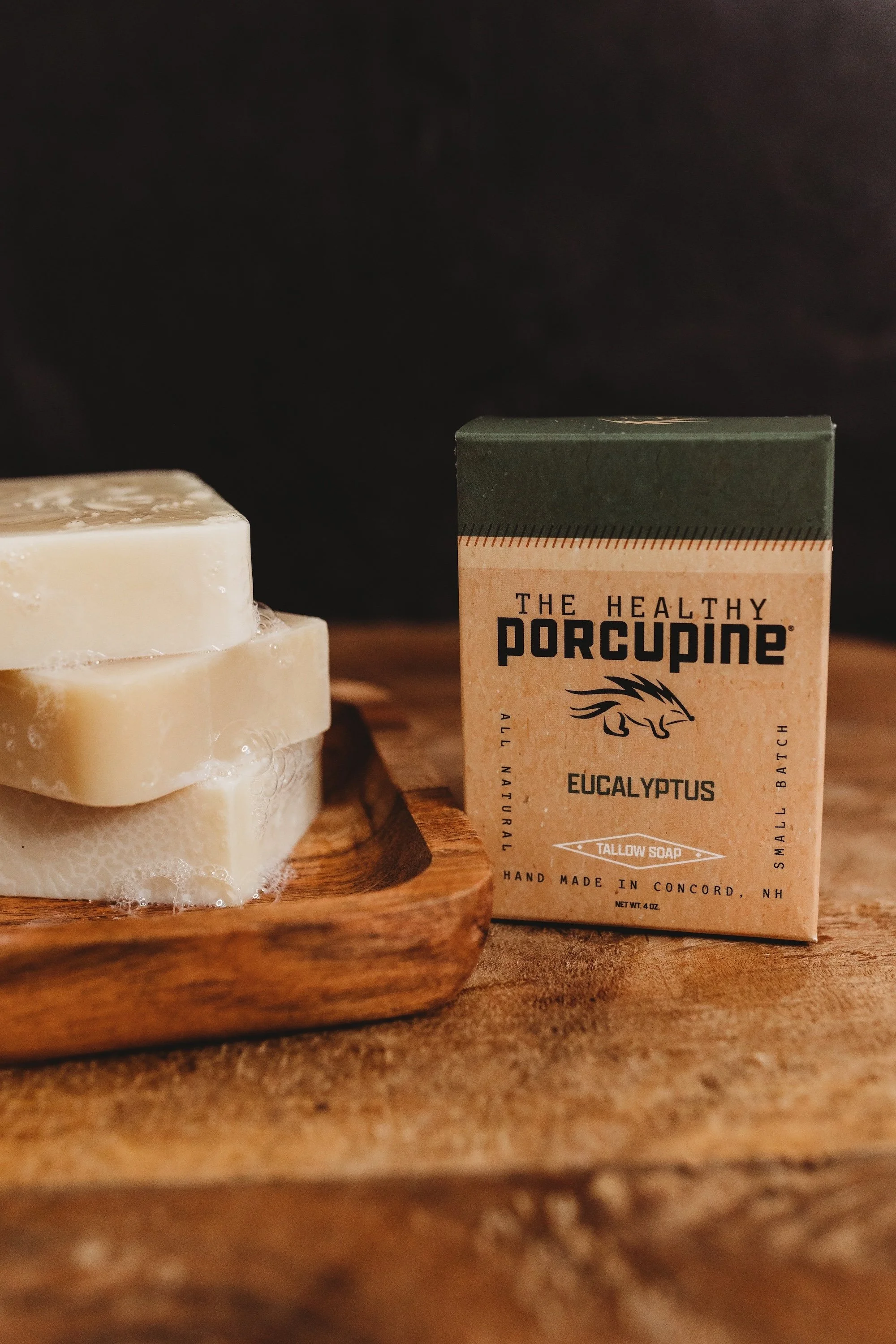
If you’re exploring simple skincare routines, you may enjoy these handcrafted soaps made with grass-fed tallow and thoughtfully selected ingredients.
Pine Tar 20% tallow soap: A traditional soap known for its rich lather and deep cleansing feel. Pine tar has been used in soapmaking for generations and remains a favorite among people who appreciate heritage skincare.
Tea Tree tallow soap: Made with tea tree essential oil, which is widely known for its refreshing and cleansing qualities.
Pure tallow soap: A simple, minimal-ingredient soap for those who prefer fragrance-free cleansing.