
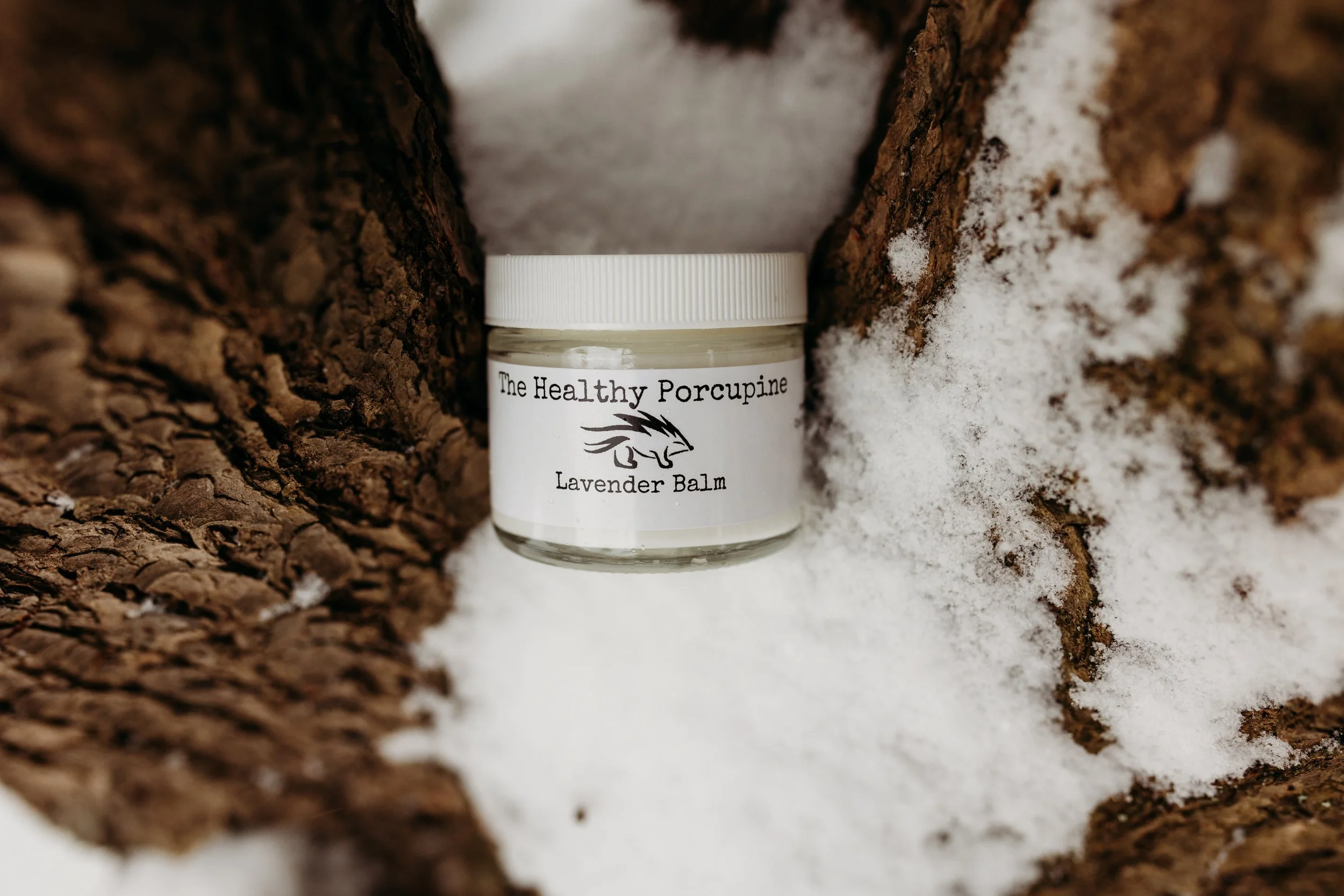
When skin feels dry, tight, or uncomfortable, many people reach for familiar products like petroleum jelly. At the same time, traditional alternatives such as tallow balm are gaining renewed attention for their simplicity and skin compatibility. While both products are often used to prevent moisture loss, they function very differently, and understanding these differences can help you choose what works best for your skin.
What is petroleum jelly?
Petroleum jelly is a semi-solid substance derived from petroleum refining. Its primary role in skincare is to act as an occlusive, forming a barrier on the skin that helps prevent water from evaporating. This can be useful in harsh weather or arid environments, but petroleum jelly does not provide nutrients, vitamins, or fatty acids to the skin itself. It simply seals in whatever moisture is already present.
Because petroleum jelly is inert, it doesn’t absorb into the skin or interact with it in a meaningful way. For some people, this can feel heavy or greasy, and for others, it may give the impression of moisture without addressing the underlying dryness.
What is tallow balm?
Tallow balm is made from rendered animal fat, grass-fed beef tallow in our case, and has been used in skincare for generations. Unlike petroleum jelly, tallow contains naturally occurring fat-soluble vitamins A, D, E, and K, as well as fatty acids that closely resemble the oils found in human skin. This similarity allows tallow balm to absorb more easily and feel less occlusive while still helping retain moisture.
Tallow balm is typically made with a few simple ingredients, which appeal to people looking to reduce exposure to synthetic additives, fragrances, and preservatives. Its composition supports the skin’s natural barrier rather than simply covering it.
Biggest difference? Absorption and Skin Feel
One of the most noticeable differences between the two products is how they feel after application. Petroleum jelly remains on the surface, creating a slick or glossy layer that can transfer to clothing or bedding. Tallow balm, when applied sparingly, tends to melt into the skin, leaving it feeling soft and conditioned rather than coated.
This difference makes tallow balm especially appealing for everyday use on hands, face, elbows, or other areas prone to dryness, particularly for those who dislike the texture of traditional ointments.
Ingredient Transparency and Skin Compatibility
Petroleum jelly contains a single highly refined ingredient with no nutritional benefit to the skin. Tallow balm, by contrast, is valued for its natural ingredients and alignment with traditional, whole-ingredient skincare practices. For individuals with sensitive skin or those simplifying their routines, knowing exactly what goes on the skin can be just as important as how it performs.
Which One Is Better?
Both tallow balm and petroleum jelly can reduce moisture loss, but they serve different purposes. Petroleum jelly is effective as a surface barrier, especially in extreme conditions. Tallow balm offers a more skin-compatible option that retains moisture while working with the skin’s natural structure to add valuable vitamins and nutrients.
If you’re seeking a nourishing, minimalist alternative that goes beyond surface-level moisture, tallow balm may be the better choice, especially for daily use and long-term skin comfort.