• Home
    • Soap
    • Tallow Balm
    • Gift Card
    • Subscriptions
  • Testimonials
  • Where to Find Us
    • About Us
    • Our Mission
  • Blog
  • Contact
  • Sign In My Account
Menu

The Healthy Porcupine

PO BOX 1042
Concord, NH 03302
Phone Number
The Healthy Porcupine® - Opt Out of the Chemical Lifestyle™

The Healthy Porcupine

  • Home
  • Shop
    • Soap
    • Tallow Balm
    • Gift Card
    • Subscriptions
  • Testimonials
  • Where to Find Us
  • About
    • About Us
    • Our Mission
  • Blog
  • Contact
  • Sign In My Account

How to Repair Your Skin Barrier After Summer

August 13, 2026 Tiffany Rinehart

Summer is one of the best things that happens to your mood, but it is also one of the hardest on your skin. Between UV exposure, chlorinated pools, salt water, sweat, and sunscreen buildup, the outermost layer of your skin takes a real beating from June through August. By the time fall rolls around, many people notice their skin feels drier, more reactive, or harder to keep moisturized than it did in spring. That is not a coincidence. It is your skin barrier telling you it needs some recovery.

Here is what is actually happening, and what to do about it as you head into fall.

What is the skin barrier and why does it matter?

Your skin barrier is the outermost layer of your skin. Think of it as a biological raincoat: it keeps moisture inside your body and keeps irritants, bacteria, and environmental stressors out. It is made up of skin cells held together by lipids, also known as fats, that form a protective seal.

When that seal is intact, your skin holds moisture well, feels comfortable, and resists irritation. When it is damaged or compromised, moisture escapes more easily (a process called transepidermal water loss), and your skin becomes more vulnerable to dryness, redness, sensitivity, and flare-ups of conditions like eczema or rosacea.

Summer damages the skin barrier through three main routes: UV radiation, chlorine, and salt water. Most people experience all three.

What does chlorine actually do to your skin?

Chlorine is an effective pool disinfectant, but it is also a harsh chemical that your skin was not designed to tolerate in repeated, prolonged doses. When chlorine contacts your skin, it strips away your natural sebum-the protective oil your body produces-and begins breaking down the lipids that keep your skin barrier strong.

Research shows that regular chlorine exposure harms the skin's protective barrier and causes increased transepidermal water loss. In plain terms: chlorinated water pulls moisture out of your skin and makes it harder for your skin to hold onto moisture afterward.

The effects go beyond just dryness. Scientific evidence links chlorine exposure to irritant contact dermatitis and shows it can worsen existing skin conditions like eczema and psoriasis. For frequent swimmers, or anyone who spent a lot of time at the pool this summer, the cumulative effect on the skin barrier can be significant.

What does salt water do to your skin barrier?

Salt water has a more complicated relationship with skin than chlorine does. In the short term, ocean water can feel clarifying. Its mineral content includes magnesium, calcium, and potassium, which have mild anti-inflammatory properties and can temporarily improve the appearance of acne-prone or oily skin. That post-beach glow is real, at least for a few hours.

But the longer-term picture is harder on your skin. Research has found that exposure to salt water nearly doubles skin stiffness and drying stress compared to fresh water. The salt concentration in ocean water is higher than what your skin cells are used to, so it draws moisture out of your skin's surface layers. Salt crystals left on the skin after ocean swimming continue pulling moisture out even after you leave the water.

Ocean water also has a pH of around 8.1, which is significantly more alkaline than your skin's preferred acidic environment of 4.5 to 5.5. This pH difference temporarily disrupts the skin's acid mantle-the protective acidic film that keeps bacteria in check and maintains the integrity of the barrier. A summer of regular beach days adds up.

How does sun exposure damage the skin barrier?

UV radiation is the most significant environmental factor in skin barrier damage during the summer. Prolonged UV exposure damages the lipids, proteins, and DNA of skin cells through both direct photochemical reactions and indirect damage via inflammation and reactive oxygen species. In practical terms, UV exposure breaks down the structural components of the skin barrier, impairs the skin's ability to retain moisture, and triggers inflammation that disrupts normal barrier function.

Importantly, skin can be UV-damaged without any visible sunburn. Research from skincare specialists confirms that skin can become dehydrated, inflamed, and barrier-compromised after sun exposure, even without visible redness. If your skin has felt tighter, rougher, or more reactive since summer, UV exposure is likely part of the reason, even if you never peeled.

How do you know if your skin barrier is damaged?

Common signs of a compromised skin barrier include:

  • Skin that feels tight or dry shortly after washing, even when you moisturize

  • Increased sensitivity to products that never bothered you before

  • Redness, itching, or a feeling of general irritation

  • Moisturizer that seems to sit on top of your skin rather than absorbing

  • Flare-ups of eczema, rosacea, or psoriasis that are harder to manage than usual

  • Skin that feels rough or uneven in texture

If several of these sound familiar heading into fall, your barrier likely took a hit over the summer and is ready for some recovery support.

How long does it take a damaged skin barrier to repair?

Mild barrier damage, the kind that comes from a normal summer of outdoor activity, typically begins to repair within a few weeks with the right support. More significant damage, or damage in people with underlying skin conditions, can take longer. The key is giving your skin the right building blocks during the recovery window rather than continuing to strip it with harsh products.

What ingredients actually help the skin barrier?

The skin barrier is made of lipids/fats. So the most effective ingredients for repairing it are also fats, specifically those that closely resemble the lipids already present in healthy skin. This is where a lot of conventional skincare falls short: water-based lotions, synthetic ingredients, and detergent-based soaps can all continue disrupting the barrier even when you are trying to restore it.

Some of the most effective barrier-supporting ingredients include:

Tallow: Especially, ethically raised, grass-fed tallow, which is rich in the same fatty acids found in healthy human skin, such as oleic acid, palmitic acid, and stearic acid. Because its composition so closely mirrors the skin's own lipid structure, tallow is absorbed readily and provides the raw materials the skin barrier needs to repair itself. It also contains fat-soluble vitamins A, D, E, and K, which support skin cell function and renewal. Tallow from grass-fed animals, like that used by The Healthy Porcupine, has a higher nutrient concentration than conventional tallow due to the animals' diet.

Fatty oils: Oils high in oleic acid, like sunflower oil, help replenish the lipid layer without clogging pores or creating a heavy residue. We use high oleic unrefined sunflower oil in our tallow balms for this reason.

Avoiding stripping cleansers: One of the most important steps in barrier repair is switching away from sulfate-based soaps and synthetic detergents that continue to strip the skin's natural oils. A tallow-based cold process soap cleanses without removing the lipids the skin needs.

Why does tallow work so well for barrier repair after summer?

Tallow has been used in skin care for centuries, and its effectiveness comes down to chemistry: the lipid profile of tallow is one of the closest natural matches to the lipids found in the skin barrier. Where synthetic moisturizers sit on top of the skin, tallow provides fats it can actually use and absorb without a greasy residue. It typically works well even when skin has become sensitive after a summer of UV and chemical exposure.

What should your fall skincare routine look like after a summer outdoors?

The goal for fall recovery is simple: stop stripping, start nourishing.

Step 1: Switch your cleanser. If you are using a conventional body wash or facial cleanser with sulfates or synthetic detergents, now is the time to switch. A gentle tallow soap cleans effectively without stripping the lipids your skin barrier needs to repair.

Step 2: Moisturize with something your skin can actually use. Tallow balm applied to damp skin after washing locks in moisture and delivers skin-compatible fats that support barrier repair. Start with the face or any area that feels particularly dry or reactive.

Step 3: Keep it simple. A compromised barrier does not need more products - it needs fewer, better ones. Resist the urge to add actives, exfoliants, or new products while your skin is recovering. Give it four to six weeks of consistent, simple care first.

Step 4: Stay consistent. Barrier repair is cumulative. The results build over weeks, not days. Consistent use of a gentle cleanser and a nourishing balm will show more improvement over a month than any single intensive treatment.

Ready to start your fall skin recovery?

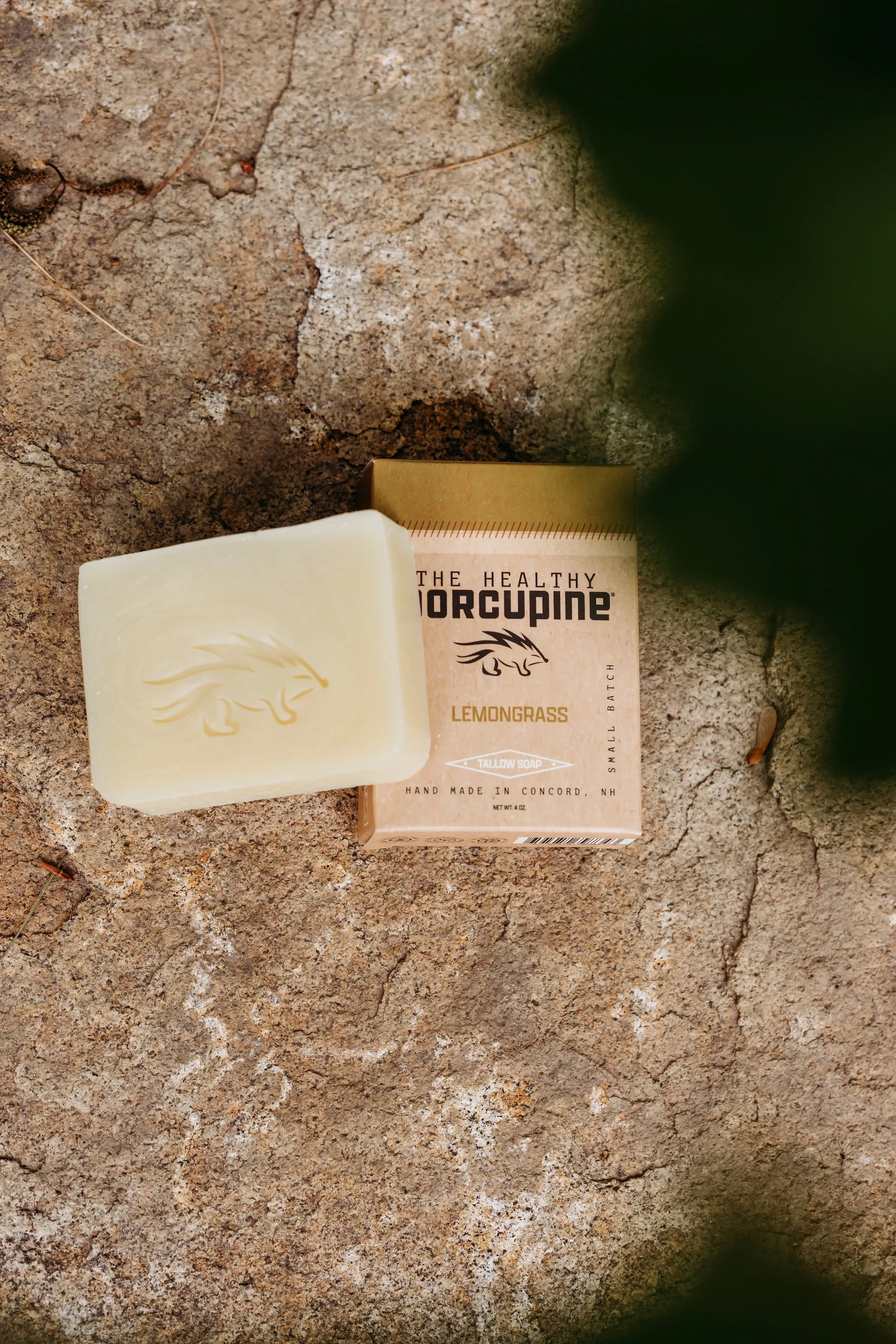
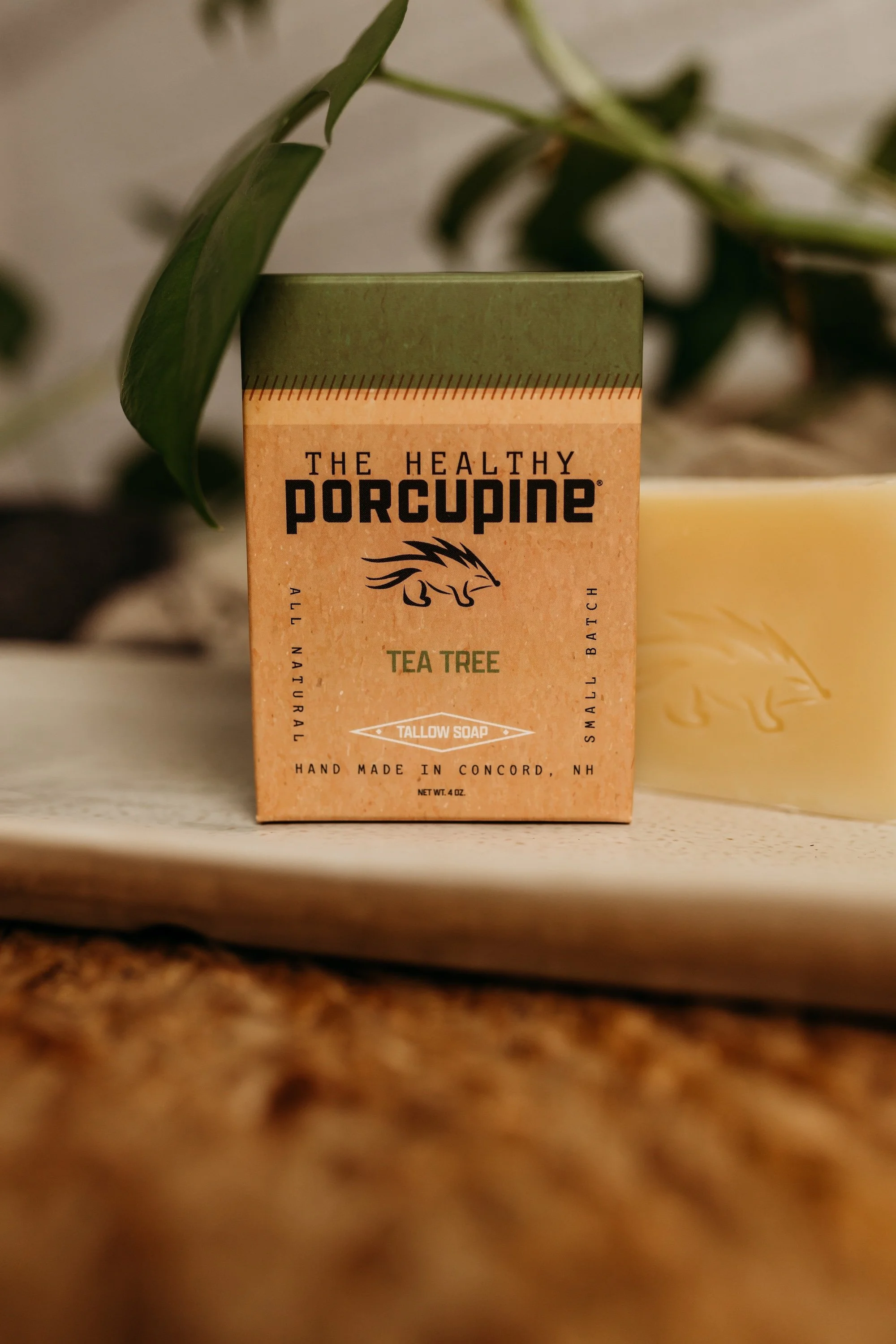
The Healthy Porcupine's Pure tallow soap and Unscented tallow balm are soothing, gentle, and made without fillers or synthetic ingredients, just what your skin actually needs.
Tags Soap, Soapmaker, Soapmaking, Sustainable Soap, Skin Barrier, seasonal skincare, summer skincase, Tallow Balm, tallow, tallow soap
1 Comment

Does Bar Soap Harbor Bacteria? The Truth Behind the Myth

July 22, 2026 Tiffany Rinehart

If you've ever hesitated to switch to bar soap, or had someone in your household question it, you've probably heard some version of this: "But doesn't bar soap just sit there collecting bacteria?"

It's one of the most common objections we hear. And it's understandable. The image of a wet, slimy bar sitting in a puddle of water in a shared bathroom does not exactly inspire confidence. But here's the thing: the science on this is actually pretty clear, and it lands firmly in favor of the bar.

Let's walk through it.

Yes, bacteria can live on bar soap. No, that doesn't mean it's making you sick.

This is where the confusion starts. Studies have confirmed that bar soap—especially heavily used bars in public spaces—can carry bacteria on its surface. A number of genera have been found on bars tested in public restrooms. So on the surface, the concern sounds reasonable.

But here's the critical part that usually gets left out: the presence of bacteria on soap is not the same as the transfer of bacteria to your hands.

Research going back to 1965 has shown that bacteria are not transmitted from bar soap to the person using it during normal handwashing. In a landmark 1988 study published in Epidemiology and Infection, scientists inoculated soap bars with E. coli and Pseudomonas aeruginosa at levels 70 times higher than what's typically found on a used bar. Sixteen volunteers washed their hands normally with the contaminated bars. The result? Not one of the sixteen had detectable levels of either bacterium on their hands afterward.

Seventy times the normal contamination level. Zero transfer. That's a pretty definitive finding.

A 1965 study reached the same conclusion, with researchers stating directly that bacteria are not transferred from person to person through bar soap, and that soap does not support bacterial growth in a meaningful way. The CDC, for its part, makes no distinction between bar soap and liquid soap when it comes to handwashing effectiveness; it endorses both equally.

So where did the myth come from?

Liquid soap brands. Or at least, they had a very strong financial interest in keeping it alive.

The 1988 study mentioned above was actually funded by the Dial Corporation, a bar soap company that wanted to defend its product against growing liquid soap marketing. The irony is that even a study designed to examine the concern couldn't find evidence of bacterial transfer.

Liquid soap marketing leaned heavily on the "shared bar = shared germs" narrative, and it worked. By the time most of us grew up, the idea that bar soap was somehow dirtier had already taken root, not because of evidence, but because of effective advertising.

What actually matters is how you store your soap

Here's where the nuance lives: while bacteria on bar soap doesn't appear to transfer to your hands during washing, a perpetually wet, slimy bar sitting in standing water is not ideal, not because of bacteria transfer, but simply because it degrades faster, gets mushy, and feels unpleasant to use.

The fix is simple: use a draining soap dish. One that lets the bar dry between uses. This keeps the bar firm, extends its life significantly, and eliminates the soggy bar problem entirely. A good tallow soap, because of its solid fat base, also holds up considerably better between uses than most commercial bars, which are loaded with water and softer, faster-dissolving ingredients.

A note on what bar soap actually does

It's also worth clearing up a related misconception while we're here: soap doesn't kill bacteria. Not bar soap, not liquid soap, not most of what's on the market. What soap does is lift bacteria, dirt, and grime off your skin so that running water can carry it away. The mechanical action of lathering and rinsing is what does the work.

Antibacterial soaps contain added ingredients specifically designed to kill bacteria, but the FDA banned the sale of over-the-counter antibacterial soaps containing certain active ingredients back in 2016, citing a lack of evidence that they were any more effective than plain soap, along with concerns about contributing to antibiotic resistance. Plain soap, used properly, is enough.

The bottom line

Bar soap can have bacteria on its surface. That bacteria is not being transferred to your hands when you wash. The science on this goes back sixty years and has been replicated multiple times. The CDC doesn't distinguish between bar and liquid soap. And a well-made bar stored in a draining dish will serve you well, last longer than most liquid soap alternatives, and skip the plastic bottle in the process.

If you've been avoiding bar soap over hygiene concerns, you can let that one go. The bar has been cleared—quite literally.

Looking for a bar soap that lathers well, lasts, and is made with four ingredients you can actually name? Start with our Pure tallow soap (Unscented), our most popular bar for a reason.

Tags Soap, tallow, Tallow Balm, tallow soap, Tallow soapmaking, Skincare Myths
Comment

Which Healthy Porcupine soap is right for you? A Quick Guide

June 9, 2026 Tiffany Rinehart

With so many soaps to choose from—seventeen bars and counting—we hear one question more than almost any other: "Which one should I start with?"

It's a great question. And the honest answer is: it depends. Not on a complicated quiz or a ten-step skincare analysis, but on two simple things: what your skin needs and what experience you're looking for in the shower.

Every bar we make starts with the same foundation: grass-fed tallow sourced from local farms, cold-processed the traditional way. That means every soap on this list cleanses gently, lathers richly, and leaves your skin feeling nourished rather than stripped. What changes from bar to bar is the added ingredients, such as essential oils or other specialty additives like coffee, pumice, and zinc, which makes each bar suited to a slightly different person or purpose.

Here's a simple way to find yours.

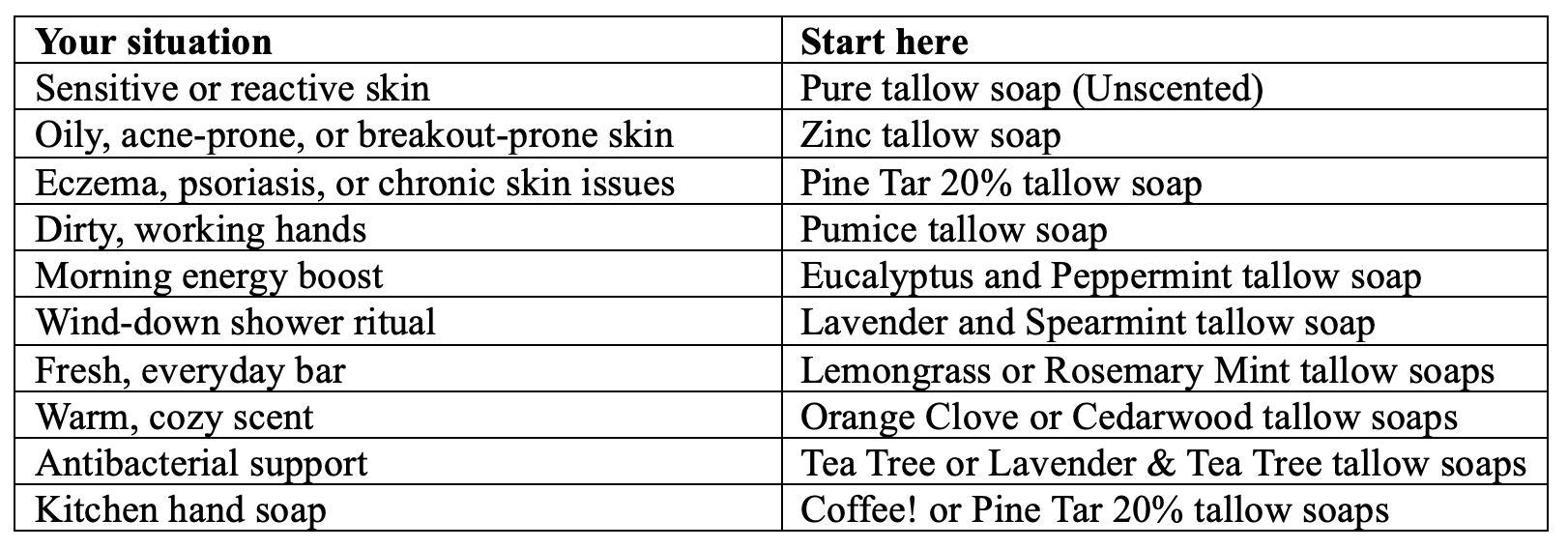
If you have sensitive skin or want to start simple: Pure tallow soap (Unscented)

This is our most popular bar for a reason. No fragrance, no extras, just saponified grass-fed tallow. If you've struggled with soaps that irritate your skin, dry you out, or trigger reactions, this is where to begin. It's also the bar we reach for most often at the handwashing sink. Sometimes the simplest thing is the right thing.

Good for: sensitive skin, fragrance sensitivities, multiple chemical sensitivities, babies and children, and anyone who wants a no-fuss daily bar.

If your skin needs extra calming support: Zinc tallow soap

Our newest bar, and one we're proud of. This is our Pure tallow soap with the addition of 2% zinc oxide, an ingredient long valued for its ability to soothe irritation, help balance oil, and support a more comfortable cleanse for reactive skin. If you find that even gentle soaps leave your skin feeling off, or if you're dealing with redness, breakouts, or that frustrating combination of oily and sensitive at the same time, this bar was made with you in mind.

Good for: acne-prone skin, oily or combination skin, redness-prone skin, and anyone whose skin feels easily irritated.

If you deal with eczema, psoriasis, dry skin, or rashes: Pine Tar 20% tallow soap

Pine tar has been used in skincare for centuries, and there's a reason it has never gone away. Our pine tar soap contains 20% kiln-burned pine tar from Sweden—the highest grade available, made the traditional way by burning pine stumps in kilns. That 20% concentration is intentional: we want you to actually feel the benefit, not just have it listed as a trace ingredient. Customers with eczema, psoriasis, rosacea, poison ivy reactions, and stubborn dry skin reach for this bar again and again. It has a distinctive, earthy, campfire-like scent that many people come to love.

Good for: eczema, psoriasis, dry or itchy skin, rashes, and anyone seeking the deep-cleansing and anti-inflammatory properties of traditional pine tar.

If you want a workhorse bar for dirty hands: Pumice tallow soap

Gardeners, mechanics, woodworkers, painters—this one's for you. Ground pumice gives this bar a gentle but effective scrubbing action that lifts grease, grime, paint, and sap without the harsh chemicals found in most industrial hand soaps. It's unscented and tough enough for a full day's work, but because it's still a tallow base, it won't leave your hands cracked and dry. Keep it in the garage, the garden shed, or by the kitchen sink.

Good for: working hands, outdoor workers, anyone who needs a deeper clean without drying ingredients.

If you want to energize your morning: Eucalyptus or Eucalyptus and Peppermint tallow soaps

These two bars are our go-to recommendation for people who want their shower to feel like a reset. Eucalyptus is cool, clean, and clarifying. Add peppermint to the mix, and it becomes even more invigorating, the kind of bar that wakes you up faster than your first cup of coffee. Both are popular choices for body and face wash alike.

Good for: morning showers, mental clarity, and skin that benefits from antibacterial and anti-inflammatory essential oils.

If you want to wind down at night: Lavender or Lavender and Spearmint tallow soaps

Lavender is a classic for good reason; it's soothing, antioxidant-rich, and genuinely calming. Our Lavender tallow soap is soft and floral. When you add spearmint, it becomes something a little more interesting: still relaxing, but with a fresh, uplifting brightness that keeps it from feeling heavy. One of Jen's personal favorites, for what it's worth.

Good for: evening routines, sensitive or irritated skin, and anyone who wants their shower to be a moment of calm.

If you want something fresh and citrusy: Lemongrass, Lemon Lime, or Rosemary Mint tallow soaps

These three are the bright, clean options in the lineup. Lemongrass is earthy and citrusy with natural antibacterial properties—a great everyday bar. Lemon Lime is light and uplifting, high in antioxidant vitamin C. Rosemary Mint is herbal and fresh, with a clean scent that works as well in the morning as it does after a workout. All three make excellent hand soaps to keep by the kitchen sink, too.

Good for: everyday use, oily or acne-prone skin, post-workout showers, and anyone who prefers a clean, fresh scent.

If you want something warm and grounding: Cedarwood, Orange Clove, or Patchouli tallow soaps

Our second-biggest seller, Orange Clove, is spicy, warm, and cozy, and our customers tell us it smells like the holidays in a bar. Cedarwood is woodsy and earthy, great for people who like a more grounded, rich scent. Patchouli is rich and distinctive, with naturally regenerative and cell-renewing properties. All three are popular as gifts and as personal favorites for people who want their bar to feel a little more luxurious.

Good for: cooler months, gifting, and anyone who prefers warm, earthy, or spiced scents.

If you want targeted skin support from your essential oils: Tea Tree, Lavender and Tea Tree, or Coffee! tallow soaps

Tea Tree is widely known for its antibacterial and antifungal properties, and it's a popular choice for acne-prone skin and for people who want a cleanser that does a little more. Lavender and Tea Tree pairs those cleansing qualities with the calming benefits of lavender, making it one of our most versatile bars. And Coffee!, our exfoliating bar made with real coffee grounds, is a favorite for people who want a gentle morning scrub. It's also one of the best bars to keep by the kitchen sink to neutralize stubborn odors from garlic, onion, or fish.

Good for: acne-prone skin, oily skin, exfoliation, and kitchen hand-washing.

Still not sure? Here's the short version:

The good news is that because all of our soaps start with the same tallow base, there's no wrong choice. They all cleanse gently, last longer than conventional soap, and leave your skin feeling clean and conditioned rather than stripped. The scent and specialty ingredient are really just about finding what feels right for you.

Tags tallow, tallow soap, tallow soap guide, Tallow Balm, Tallow soapmaking, Tallow Soap, grass-fed tallow soap, Essential Oil Soap, essential oil, Healthy Lifestyle
Comment

Zinc for Skin: The Ingredient Behind Our New Zinc Tallow Soap

May 12, 2026 Tiffany Rinehart
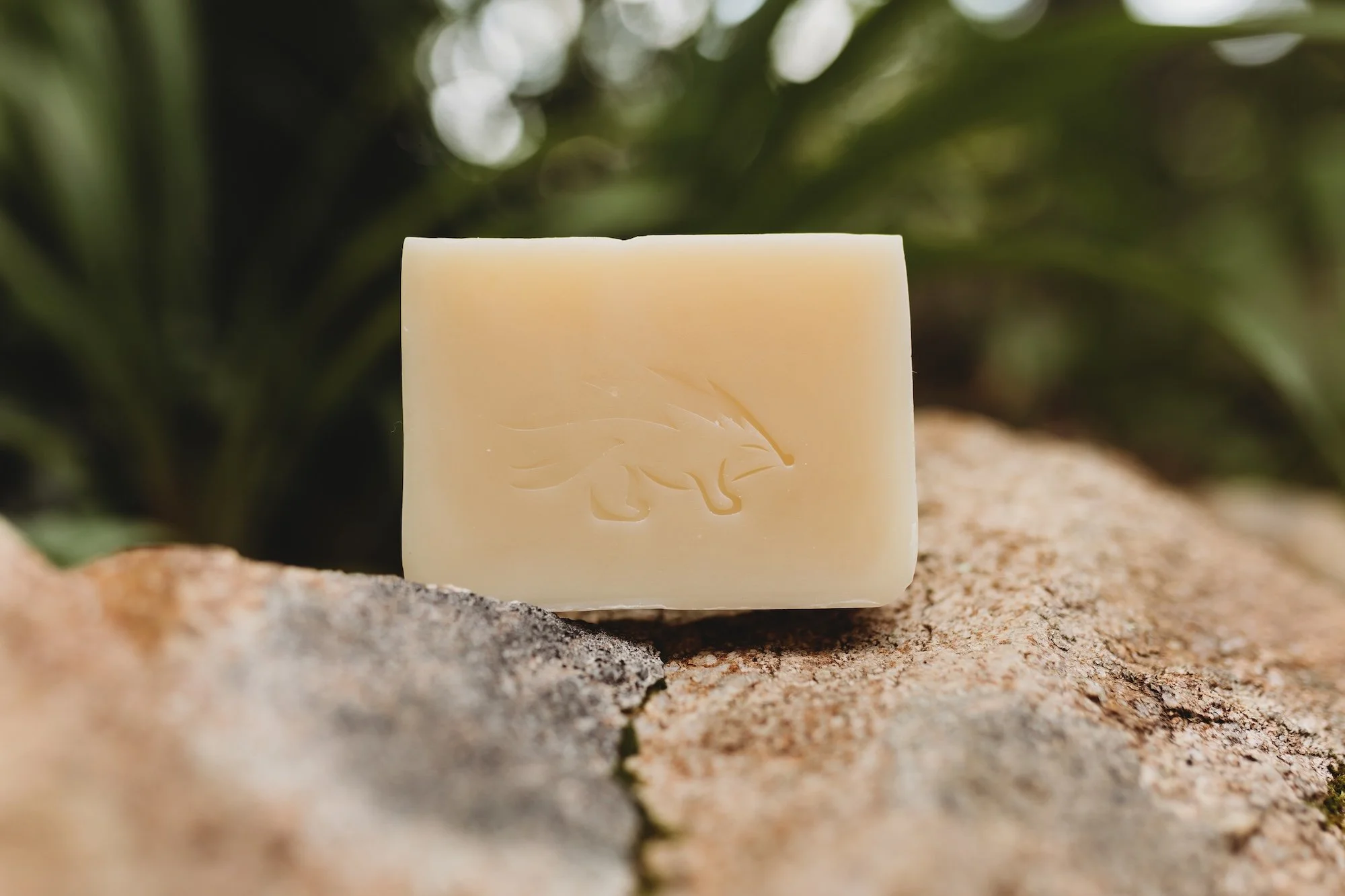
Tallow Soap Zinc

When it comes to skincare ingredients that quietly do a lot of heavy lifting, zinc deserves a place near the top of the list. While ingredients like retinol, vitamin C, and hyaluronic acid often get the spotlight, zinc has long been valued for its ability to support calmer, clearer, and more balanced skin, especially for those dealing with oiliness, breakouts, sensitivity, or irritation.

From zinc soaps and creams to mineral sunscreens and spot treatments, zinc has become a trusted ingredient in skincare for good reason. It’s gentle, versatile, and works with the skin rather than against it. Whether you’re simplifying your routine or searching for ingredients that support your skin barrier naturally, zinc may be one of the most underrated additions to your skincare lineup.

At The Healthy Porcupine, we love ingredients that are simple, effective, and supportive of the skin’s natural function. That’s exactly why we created our new Zinc tallow soap, a nourishing, balanced bar that combines the calming properties of zinc with the skin-supportive benefits of grass-fed tallow.

What Is Zinc?

Zinc is an essential mineral that plays an important role throughout the body, including in the skin. It supports immune function, cellular repair, and the regulation of inflammation, all of which directly impact your overall skin condition.

In skincare, zinc is commonly used because of its:

•           Anti-inflammatory properties

•           Oil-balancing abilities

•           Skin-soothing support

•           Protective qualities

•           Ability to support the skin barrier

There are several forms of zinc used in skincare products, including zinc oxide, zinc PCA, and zinc pyrithione. Each serves slightly different purposes, but all are known for helping support healthier-looking skin. In our soaps we use zinc oxide, which is known for its gentle, soothing properties and ability to help calm the appearance of irritated or sensitive skin. It also acts as a mild protective barrier on the skin’s surface, helping to reduce excess oil and support a more balanced, comfortable feel after cleansing.

Why Zinc Is So Popular in Skincare

One reason zinc has remained a staple in skincare for decades is that it works well across a wide range of skin types and concerns. Unlike overly aggressive ingredients that can leave skin feeling stripped or compromised, zinc tends to support balance.

That’s especially important in today’s skincare world, where many people are dealing with over-exfoliation, damaged skin barriers, and irritation from using too many active ingredients at once.

Zinc helps simplify things and supports the skin’s natural ability to regulate and recover itself.

Zinc for Acne-Prone Skin

One of the most searched questions online is: “Is zinc good for acne?” The answer is yes, many people find zinc incredibly helpful for acne-prone skin.

Zinc supports acne-prone skin in several ways:

•           Helps regulate excess oil production

•           Supports a cleaner skin environment

•           Helps calm visible redness

•           Supports cell regeneration after breakouts

•           Helps reduce irritation caused by inflamed skin

Many traditional acne-focused products rely on harsh ingredients that can dry out the skin barrier. While those products may temporarily reduce oil, they often trigger additional irritation or rebound dryness.

For people who struggle with skin that feels both oily and sensitive at the same time, zinc can help create balance without leaving skin feeling tight or stripped.

Zinc for Sensitive or Redness-Prone Skin

Sensitive skin can be difficult to navigate because so many skincare ingredients are either too harsh or too active. Zinc is often well-received because it’s generally gentle and calming.

Its soothing properties may help:

•           Reduce the appearance of redness

•           Calm irritation

•           Support compromised skin

•           Minimize discomfort caused by dryness or over-cleansing

Zinc and Skin Barrier Support

The skin barrier plays a critical role in overall skin health. A healthy barrier helps retain moisture while protecting against external stressors. When the barrier becomes compromised, skin may feel dry, tight, flaky, reactive, or just generally more prone to irritation.

Zinc supports the skin barrier by helping reduce stress and supporting the skin’s natural recovery process. This is especially beneficial for people using strong skincare actives or dealing with environmental stressors like dry weather, sun exposure, or pollution. 

Why Zinc and Tallow Work So Well Together

Zinc and tallow complement each other because they support the skin in different, but highly compatible ways. Zinc is known for helping calm irritation, balance excess oil, and support clearer-looking skin, while tallow deeply nourishes and supports the skin barrier with fatty acids and fat-soluble vitamins that are naturally compatible with the skin.

This combination is especially helpful for people whose skin feels both oily and dry at the same time, which is a common issue when using harsh skincare products. Zinc helps reduce the excess oil and visible irritation that often accompany breakouts or congestion, while tallow helps replenish moisture and support the skin so it doesn’t feel stripped or tight after cleansing.

Together, zinc and tallow create a more balanced skincare experience. It’s skincare focused on supporting the skin rather than fighting against it.

Benefits of Zinc in Soap

Zinc is especially interesting in soap because it provides support during one of the most important steps in any skincare routine: cleansing.

Your cleanser sets the tone for everything that follows.

Harsh cleansers can leave skin feeling dry, tight, and irritated before the rest of your routine even begins. Zinc soap offers a gentler alternative for people looking to cleanse effectively without overwhelming the skin.

Our new Zinc tallow soap was designed with this philosophy in mind: simple ingredients that support the skin while cleansing effectively.

Healthy skincare doesn’t always have to involve complicated routines or overly aggressive ingredients. Sometimes the best support comes from ingredients that work alongside the skin’s natural processes rather than trying to overpower them.

Zinc has remained a trusted skincare ingredient because it helps support balance, calm irritation, and encourage healthier-looking skin without unnecessary complexity. And when paired with nourishing ingredients like grass-fed tallow, it becomes part of a routine focused on supporting the skin barrier rather than stripping it away.

If your skin has been asking for something gentler, simpler, and more balanced, our new Zinc tallow soap may be worth exploring.

Tags tallow, tallow soap, Tallow soapmaking, Tallow Balm, zinc, Zinc oxide, Zinc in soap, Tallow for acne, Skin Barrier
Comment

Your 2024 Tallow Soaps and Balms Wrapped!

December 11, 2024 Tiffany Rinehart
Tallow Soap Variety

As we wrap up the year, it’s time to dive into the numbers that made 2024 shine! Inspired by Spotify’s Wrapped, we’re sharing the highlights of your love for our tallow soaps and balms. From best-sellers to global adventures, here’s your year in review.

Top 5 Products of the Year

1. Pure tallow soap

Taking the crown as 2024’s top seller, this gentle favorite proves that sometimes less is truly more. Beloved for its simple, nourishing formula, it’s the ultimate classic that never goes out of style.

2. Pine Tar 20% tallow soap

A rugged runner-up with a loyal fanbase! Darlene’s favorite is perfect for tough skin challenges and packed with earthy charm. It’s the heavy hitter that keeps you feeling refreshed and restored.

3. Tallow Balm, Unscented

Your unscented MVP of the year! Whether you’re soothing dry skin or protecting against harsh weather, this balm does it all—no wonder it’s a classic.

4. Orange Clove tallow soap

Our most popular scent stole the spotlight yet again! With its warm, spicy aroma, it’s a cozy treat that makes every season feel like the holidays.

5. Cedarwood tallow soap

Bringing earthy sophistication to your skincare, Cedarwood tallow soap rounds out the list. It’s a woodsy escape in a bar, perfect for grounding your routine. 

Fun Stats From 2024

  • Top Seller: Pure tallow soap—your ride-or-die!

  • Needs More Love: Lavender & Tea Tree tallow soap. This hidden gem has been flying under the radar. Is 2025 the year it gets its time to shine?

  • Top Blog Engagement: Surprisingly, our 2022 blog post, “What is Lye, and Why Is It Used in Soap?”, continues to spark curiosity and rack up clicks.

  • State with the Most Orders: California takes the crown! Sunshine and soap go hand in hand.

  • Busiest Sales Month: November. Whether it’s prepping for gifts or indulging in self-care, it’s clear November is a big month for tallow love. Plus, it’s our annual Small Business Saturday sale!

  • Furthest our Products Have Traveled: All the way to Singapore! From local fans to global admirers, our products are truly making waves.

Founder Favorites:

  • Jen’s Favorite: Lavender Spearmint Soap. It’s the perfect balance of relaxing and refreshing—a spa day in a bar!

  • Darlene’s Favorite: Pine Tar 20% Soap. For its powerhouse performance and campfire-like aroma.

Looking Ahead to 2025

What will next year bring? Maybe Lavender & Tea Tree tallow soap will have its breakout moment, or perhaps we’ll see some new contenders in the top 5. Stay tuned for exciting product launches and more ways to elevate your self-care routine.

Thank You for an Amazing Year!

Whether you were lathering up with Orange Clove tallow soap or keeping it classic with our Pure tallow soap, your love and support made 2024 unforgettable. Here’s to another year of glowing skin, new favorites, and global adventures!

What was your top pick of the year? Let us know in the comments or tag us on social media with your 2024 tallow soap and balm wrapped.

Tags Soap, balm, Tallow, tallow soap, Tallow Balm, tallow, Tallow soapmaking
Comment

How can tallow soaps and balms with essential oils help my skin?

January 7, 2024 Tiffany Rinehart

Aside from our Pure Tallow soap and Unscented balm, all of our products have essential oils that add to the benefits of tallow. From the zesty allure of citrus oils to the soothing embrace of plant-based oils and the robust richness of pine tar and coffee, each section unveils unique qualities within our soaps and balms. So, let's dive in and discover the transformative power of these natural ingredients on your skin.

Citrus Essential Oils

Citrus essential oils offer more than just a refreshing scent. They contain invigorating properties that contribute to the overall health of your skin. 

  • Antioxidant Boost - Citrus essential oils like lemon, lime, and orange are rich in vitamin C, a natural antioxidant that helps neutralize free radicals. This antioxidant boost protects the skin from environmental stressors and supports collagen production, promoting a more youthful complexion.

  • Brightening and Revitalizing - Citrus essential oils have natural acids, such as citric acid and alpha-hydroxy acids. These naturally occurring compounds brighten the skin by gently exfoliating dead cells, revealing a radiant and revitalized complexion. These acids also promote cell turnover, diminishing dullness and leaving the skin looking refreshed and renewed.

  • Cleansing Properties - Citrus essential oils also play a pivotal role in skin cleansing. Their astringent properties make them great for tightening pores and regulating oil production. They also cut through impurities and excess oil, leaving the skin thoroughly cleansed and refreshed. From makeup residue to environmental pollutants, citrus oils can contribute to a clean start for your skin.

Plant-Based Essential Oils

Explore the diverse benefits of plant-based essential oils, such as Lavender, Eucalyptus, Lemongrass, Rosemary, and more.

  • Lavender's Calming Effect - Lavender essential oil is known for its remarkable ability to calm and soothe the skin, creating relief for skin in need. Whether addressing irritation or simply offering a moment of relaxation, lavender's calming properties make it a gentle companion in your skincare routine, providing a touch of serenity to your daily ritual.

  • Eucalyptus and Lemongrass Invigoration - Eucalyptus and lemongrass essential oils are known for their energizing aromas that awaken the senses, offering a burst of freshness that lingers on the skin. Eucalyptus and lemongrass promote a feeling of invigoration that goes beyond the surface, making each skincare moment a rejuvenating journey.

  • Skin Toning & Scent Reducing – Rosemary essential oil is your skin's companion in toning and revitalization. Uncover how this botanical powerhouse aids in improving overall complexion by promoting skin elasticity and tone. It is also great for removing harsh scents from your skin when working in the kitchen or outside.  

Exfoliation & More

The transformative properties of coffee essential oil, coffee grinds, pumice, and pine tar essential oil reveal a path to smoother, rejuvenated, and delightfully pampered skin.

  • Coffee & Pumice for Exfoliation - Indulge in the rejuvenating properties of coffee essential oil as it takes center stage in exfoliation along with our Pumice tallow soap. Pumice and coffee contain a natural grittiness that is perfect for buffing away dead skin cells and revealing a smoother, more radiant complexion beneath.

  • Pine Tar's Soothing Abilities - Pine tar oil is known to have potent antibacterial and antifungal properties, unveiling its efficacy in addressing a spectrum of skin conditions, including acne and other minor skin ailments. There is also a gentle side of pine tar, which can soothe irritated skin. Over the years, pine tar has become a go-to for sensitive or problematic skin types, offering a calming touch that harmonizes with your skin's natural balance.

Embrace the benefits of these natural ingredients, and let your skincare routine become a daily celebration of self-care. Our commitment to crafting products that reduce unnecessary chemicals and encourage your skin's resilience is unwavering. Here's to radiant, nourished, and healthy skin!

Tags tallow, tallow soap, Tallow Balm, Tallow soapmaking, subscribe, save, Essential Oil Soap, essential oil, healthy soap, Healthy Lifestyle
Comment
No results found
nhmade

HANDMADE WITH CARE IN NEW HAMPSHIRE.

images and text copyright
© 2026 The Healthy Porcupine
All rights reserved

 *These statements have not been evaluated by the Food and Drug Administration. This product is not intended to diagnose, treat, cure, or prevent any disease.